

As a seasoned supplier of defoamers for the pulp industry, I often encounter a crucial question from our clients: Can a defoamer for pulp be used in the pulping stage? This topic is not only of practical significance but also involves in - depth scientific principles. Let's explore this question from multiple aspects.
The Role of Pulp Defoamers
Before delving into whether a pulp defoamer can be used in the pulping stage, it's essential to understand the role of pulp defoamers. During the pulping process, a large amount of foam is generated due to various chemical reactions, mechanical agitation, and the presence of surface - active substances in the pulp. Excessive foam can cause a series of problems. For example, it can reduce the efficiency of pulp processing equipment, such as pumps and screens. Foam can also lead to uneven pulp distribution, affecting the quality of the final paper product. A pulp defoamer is designed to eliminate or reduce this foam, ensuring smooth and efficient production.
The Pulping Stage Environment
The pulping stage is a complex chemical and physical process. There are different pulping methods, including mechanical pulping, chemical pulping, and semi - chemical pulping. Each method has its own unique environmental conditions, such as temperature, pH value, and the type of chemicals involved.
Mechanical Pulping
In mechanical pulping, wood chips are ground or refined to separate fibers. This process generates a significant amount of heat, and the temperature can reach relatively high levels. The pulp also contains a large amount of lignin and other natural substances. A defoamer used in this stage needs to withstand high - temperature conditions and be compatible with the natural components in the pulp.

Chemical Pulping
Chemical pulping, such as the kraft process or the sulfite process, involves the use of strong chemicals to break down the lignin in wood. The pH value in the kraft process is usually very high (alkaline), while in the sulfite process, it can be acidic. A suitable defoamer for the pulping stage in these processes should be stable under extreme pH conditions and not react with the chemicals used in the pulping process.
Compatibility with Chemicals
In addition to temperature and pH, there are many other chemicals used in the pulping stage, such as bleaching agents, preservatives, and fillers. A pulp defoamer must be compatible with these chemicals to avoid any adverse reactions that could affect the performance of the defoamer or the quality of the pulp.
Advantages of Using Defoamers in the Pulping Stage
If a suitable defoamer is selected and used in the pulping stage, it can bring several advantages.
Firstly, it can improve the efficiency of the pulping process. By eliminating foam, the flow of pulp in pipes and equipment becomes smoother, reducing the resistance and increasing the throughput. This means that more pulp can be processed in a given time, improving the overall productivity of the pulping plant.
Secondly, using a defoamer in the pulping stage can enhance the quality of the pulp. As mentioned before, foam can cause uneven pulp distribution. With the reduction of foam, the pulp fibers are more evenly dispersed, resulting in a more uniform pulp consistency. This uniformity is beneficial for the subsequent papermaking process, leading to better - quality paper products.
Our Product Offerings
As a supplier, we have a wide range of defoamers specifically designed for the pulp industry. Our products are developed based on advanced technology and years of experience in the field.
One of our popular products is DEFOAMER 720B. This defoamer is highly effective in controlling foam in various pulping conditions. It has excellent heat - resistance and can perform well in mechanical pulping processes where high - temperature is involved. Its unique chemical formula ensures that it is compatible with the natural substances in the pulp, providing long - lasting defoaming effects.
Another product, DEFOAMER 8239, is suitable for chemical pulping processes. It is stable under both high - and low - pH conditions, making it a versatile choice for kraft or sulfite pulping. This defoamer can quickly break down existing foam and prevent new foam from forming, ensuring a smooth pulping process.
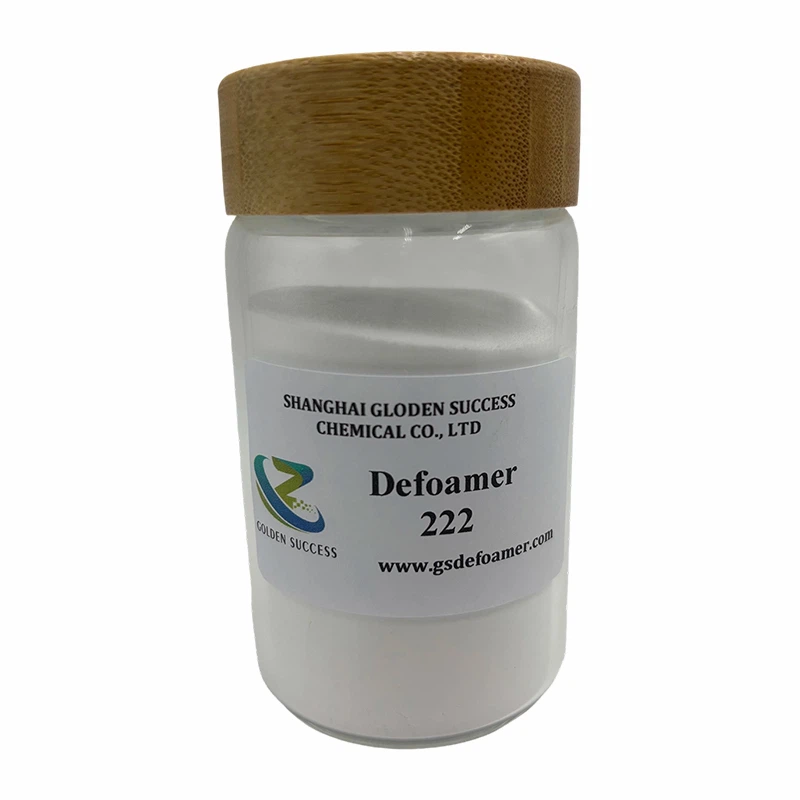
We also offer DEFOAMER 222, which is well - known for its excellent compatibility with other chemicals used in the pulping stage. Whether it is bleaching agents or fillers, DEFOAMER 222 does not react with them, maintaining its defoaming performance and allowing the other chemicals to work effectively.
Case Studies
Let's look at some real - world examples to illustrate the benefits of using our defoamers in the pulping stage.
A medium - sized pulping plant was facing problems with excessive foam in its mechanical pulping process. The foam was causing blockages in the pipes and reducing the efficiency of the refining equipment. After using DEFOAMER 720B, the foam was quickly eliminated. The plant noticed a significant improvement in the flow of pulp, and the throughput of the refining equipment increased by 15%. The quality of the pulp also improved, with a more uniform fiber distribution.
In another chemical pulping plant using the kraft process, the high - pH environment was causing foam to form rapidly. The use of DEFOAMER 8239 solved this problem. The defoamer was able to withstand the alkaline conditions and effectively control the foam. As a result, the bleaching process became more efficient, and the quality of the bleached pulp was enhanced.
Considerations for Using Defoamers in the Pulping Stage
While there are many advantages to using defoamers in the pulping stage, there are also some considerations.
The dosage of the defoamer needs to be carefully controlled. Too little defoamer may not effectively eliminate the foam, while too much can lead to other problems, such as increased costs and potential negative impacts on the pulp quality. It is recommended to conduct small - scale tests to determine the optimal dosage for a specific pulping process.
The addition point of the defoamer is also crucial. It should be added at a location where it can quickly and evenly mix with the pulp. This usually depends on the design of the pulping equipment and the flow pattern of the pulp.
Conclusion
In conclusion, a defoamer for pulp can indeed be used in the pulping stage, and it brings many benefits in terms of process efficiency and pulp quality. However, it is necessary to select the right defoamer based on the specific pulping method, environmental conditions, and chemical composition of the pulp. Our company, as a professional defoamer supplier for the pulp industry, offers a variety of high - quality products that can meet the diverse needs of different pulping processes.
If you are interested in our products or have any questions about using defoamers in the pulping stage, we welcome you to contact us for further discussion and potential purchase negotiations. We are committed to providing you with the best solutions for your pulp production.
References
- Smith, J. (2018). Foam control in the pulp and paper industry. Pulp & Paper Technology Journal, 25(3), 45 - 52.
- Johnson, A. (2019). The impact of defoamers on pulp quality. International Pulp Research Conference Proceedings, 123 - 130.
- Brown, C. (2020). Advances in defoamer technology for pulping processes. Chemical Engineering in the Pulp Industry, 32(2), 67 - 74.