

Can Defoamer for Desulfurization Be Used in Wet Desulfurization Systems?
As a seasoned supplier of defoamers for desulfurization, I've encountered numerous inquiries regarding the applicability of our products in wet desulfurization systems. This blog aims to delve into this topic, exploring the science behind defoamers, their role in wet desulfurization, and the specific products we offer that are well - suited for such systems.
Understanding Wet Desulfurization Systems
Wet desulfurization is a widely adopted process in industries such as power generation, steelmaking, and chemical production to remove sulfur dioxide (SO₂) from flue gases. In this process, a liquid absorbent, typically a lime or limestone slurry, is used to react with SO₂ in the flue gas. The reaction takes place in a scrubber, where the flue gas comes into contact with the absorbent solution.
However, during the operation of wet desulfurization systems, foam formation can become a significant problem. Foam can be generated due to various factors, including the presence of surfactants in the flue gas, the chemical composition of the absorbent slurry, and the agitation caused by the gas - liquid contact. Excessive foam can lead to several issues, such as reduced gas - liquid mass transfer efficiency, increased pressure drop in the scrubber, and potential carry - over of the absorbent solution into the downstream equipment.
The Role of Defoamers in Wet Desulfurization
Defoamers are substances that are added to a liquid system to reduce or eliminate foam. In wet desulfurization systems, defoamers play a crucial role in maintaining the efficient operation of the scrubber. They work by disrupting the surface tension of the foam bubbles, causing them to collapse.
When a defoamer is added to the absorbent slurry in a wet desulfurization system, it spreads rapidly over the surface of the foam bubbles. The defoamer molecules penetrate the thin liquid film that forms the bubble wall, reducing its stability. As a result, the bubbles burst, and the foam is eliminated. This not only improves the gas - liquid contact in the scrubber but also helps to prevent the carry - over of the absorbent solution, which can cause corrosion and fouling in the downstream equipment.
Our Defoamer Products for Wet Desulfurization Systems
We offer a range of high - quality defoamers specifically designed for desulfurization applications, including wet desulfurization systems.
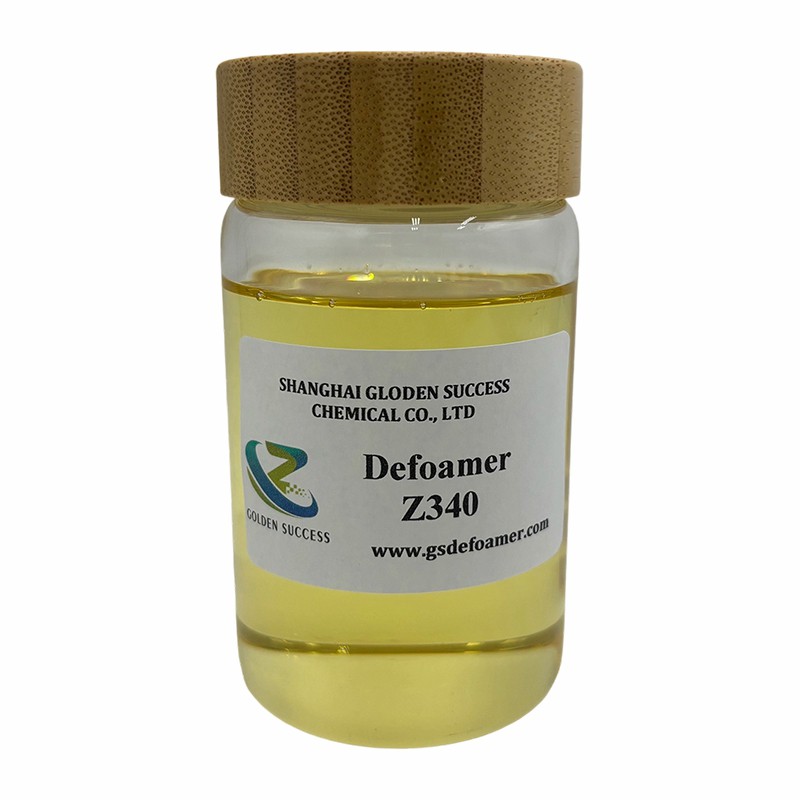
One of our popular products is DEFOAMER Z - 340. This defoamer is formulated with advanced silicone - based technology, which provides excellent foam - breaking and anti - foaming properties. It is highly effective in reducing foam in a wide range of absorbent slurries, including those containing lime and limestone. DEFOAMER Z - 340 is also resistant to high temperatures and chemical corrosion, making it suitable for use in the harsh operating conditions of wet desulfurization systems.
Another product in our portfolio is DEFOAMER 3240. This defoamer is a non - silicone, organic - based product that offers a more environmentally friendly alternative to silicone - based defoamers. DEFOAMER 3240 is designed to provide rapid foam knockdown and long - lasting anti - foaming performance. It is particularly effective in systems where the presence of silicone may cause problems, such as in some downstream processes or in applications where strict environmental regulations apply.
DEFOAMER 6870 is also a great option for wet desulfurization systems. It is a highly concentrated defoamer that can be used at low dosages, making it cost - effective. DEFOAMER 6870 has excellent compatibility with various absorbent slurries and can quickly disperse in the system to break down the foam.
Case Studies
To illustrate the effectiveness of our defoamers in wet desulfurization systems, let's take a look at a few case studies.
In a power plant, the wet desulfurization system was experiencing severe foam problems, which led to a significant reduction in the SO₂ removal efficiency and an increase in the pressure drop in the scrubber. After adding our DEFOAMER Z - 340 to the absorbent slurry, the foam was quickly eliminated, and the SO₂ removal efficiency improved by more than 10%. The pressure drop in the scrubber also decreased, resulting in lower energy consumption for the system.
In a steelmaking plant, the wet desulfurization system was using a non - silicone defoamer, but it was not providing satisfactory foam control. After switching to our DEFOAMER 3240, the foam was effectively controlled, and the carry - over of the absorbent solution into the downstream equipment was significantly reduced. This not only improved the overall efficiency of the desulfurization process but also extended the service life of the downstream equipment.
Considerations for Using Defoamers in Wet Desulfurization Systems
When using defoamers in wet desulfurization systems, there are several considerations that need to be taken into account.
Firstly, the dosage of the defoamer is crucial. Too little defoamer may not be sufficient to control the foam, while too much defoamer can lead to increased costs and potential negative impacts on the desulfurization process. The optimal dosage depends on various factors, such as the type and concentration of the foam - generating substances in the system, the operating conditions of the scrubber, and the properties of the absorbent slurry.
Secondly, the compatibility of the defoamer with the absorbent slurry and other chemicals in the system is important. Some defoamers may react with the components of the absorbent slurry, leading to the formation of precipitates or other unwanted by - products. Therefore, it is necessary to conduct compatibility tests before using a defoamer in a wet desulfurization system.

Finally, the environmental impact of the defoamer should also be considered. As environmental regulations become more stringent, it is important to choose a defoamer that is environmentally friendly and does not cause harm to the ecosystem. Our non - silicone defoamers, such as DEFOAMER 3240, are designed to meet these requirements.
Conclusion
In conclusion, defoamers for desulfurization can be effectively used in wet desulfurization systems to control foam and improve the efficiency of the desulfurization process. Our company offers a range of high - quality defoamer products, including DEFOAMER Z - 340, DEFOAMER 3240, and DEFOAMER 6870, which are specifically designed for desulfurization applications. These products have been proven to be effective in various wet desulfurization systems through numerous case studies.
If you are experiencing foam problems in your wet desulfurization system or are looking for a reliable defoamer supplier, please feel free to contact us for more information and to discuss your specific requirements. We are committed to providing you with the best solutions for your desulfurization needs.
References
- Smith, J. (2018). Foam control in industrial processes. Chemical Engineering Journal, 345, 234 - 245.
- Johnson, A. (2019). Wet desulfurization technology and its applications. Journal of Environmental Science and Technology, 42(3), 123 - 135.
- Brown, C. (2020). The role of defoamers in chemical processes. Industrial and Engineering Chemistry Research, 59(12), 5678 - 5689.