

In the paper coating industry, defoamers play a crucial role in ensuring the quality of coated paper. However, a question that often arises is whether these defoamers for paper coating can affect the anti - ultraviolet (UV) properties of coated paper. As a supplier of defoamers for paper coating, I have delved deep into this topic to provide a comprehensive analysis.
The Role of Defoamers in Paper Coating
Before discussing the potential impact on UV properties, it is essential to understand the function of defoamers in paper coating. During the paper coating process, air bubbles can easily form in the coating formulation. These bubbles can cause various defects on the coated paper surface, such as pinholes, uneven coating thickness, and poor printability. Defoamers are added to the coating formulation to break and prevent the formation of these air bubbles, ensuring a smooth and uniform coating.
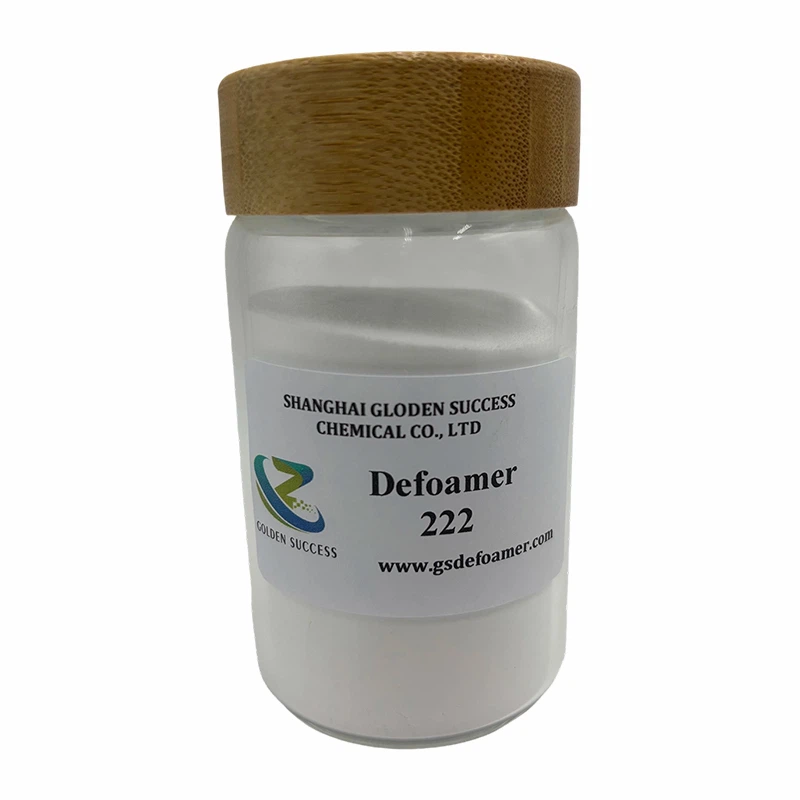

There are different types of defoamers available for paper coating, including silicone - based, mineral oil - based, and polymer - based defoamers. Each type has its own characteristics and is suitable for different coating formulations and application conditions. For example, silicone - based defoamers are known for their high defoaming efficiency and long - lasting effect, while mineral oil - based defoamers are more cost - effective.
Understanding Anti - Ultraviolet Properties of Coated Paper
The anti - UV properties of coated paper are of great importance, especially for applications where the paper will be exposed to sunlight for an extended period. UV radiation can cause various problems to paper, such as discoloration, embrittlement, and degradation of mechanical properties. To enhance the anti - UV properties of coated paper, UV absorbers or stabilizers are often added to the coating formulation.
UV absorbers work by absorbing the UV radiation and converting it into heat, which is then dissipated. UV stabilizers, on the other hand, can prevent or slow down the chemical reactions caused by UV radiation, thereby protecting the paper from damage. The effectiveness of these anti - UV agents depends on their concentration, chemical structure, and compatibility with other components in the coating formulation.
Potential Interactions between Defoamers and Anti - UV Agents
When defoamers are added to the paper coating formulation, there is a possibility of interactions between the defoamers and the anti - UV agents. These interactions can be either physical or chemical.
Physical Interactions
Physically, defoamers can affect the dispersion of anti - UV agents in the coating formulation. If the defoamer is not properly compatible with the coating system, it may cause the anti - UV agents to agglomerate or separate from the coating matrix. This can lead to uneven distribution of the anti - UV agents on the paper surface, reducing the overall anti - UV performance of the coated paper.
For example, some defoamers may have a high surface activity, which can disrupt the emulsification or dispersion of anti - UV agents in the coating. As a result, the anti - UV agents may not be able to cover the paper surface uniformly, leaving some areas vulnerable to UV radiation.
Chemical Interactions
Chemically, defoamers may react with anti - UV agents or other components in the coating formulation. For instance, some defoamers may contain reactive groups that can react with the functional groups of anti - UV agents. This reaction can change the chemical structure of the anti - UV agents, reducing their ability to absorb or stabilize UV radiation.
However, not all defoamers will have negative chemical interactions with anti - UV agents. Some defoamers are designed to be chemically inert and have minimal impact on other components in the coating formulation. Therefore, it is crucial to select the right defoamer for the specific coating formulation and anti - UV requirements.
Case Studies and Experimental Results
To better understand the impact of defoamers on the anti - UV properties of coated paper, we conducted a series of experiments. We used three different defoamers: DEFOAMER 0841, DEFOAMER 222, and DEFOAMER T5.
In the experiments, we prepared paper coating formulations with a fixed amount of anti - UV agents and different types and concentrations of defoamers. The coated papers were then exposed to UV radiation in a controlled environment for a certain period. After the exposure, we measured the color change, mechanical properties, and UV absorption of the coated papers.
The results showed that different defoamers had different impacts on the anti - UV properties of coated paper. [DEFOAMER 0841] had the least impact on the anti - UV performance, even at relatively high concentrations. This is because it has a high chemical stability and good compatibility with the anti - UV agents and other components in the coating formulation.
In contrast, [DEFOAMER 222] showed some negative effects on the anti - UV properties when used at high concentrations. The coated paper with a high concentration of [DEFOAMER 222] had more significant color change and reduction in mechanical properties after UV exposure. This may be due to the chemical interactions between [DEFOAMER 222] and the anti - UV agents.
[DEFOAMER T5] had an intermediate effect. At low concentrations, it had little impact on the anti - UV properties, but as the concentration increased, the anti - UV performance of the coated paper decreased slightly.
Selecting the Right Defoamer for Optimal Anti - UV Performance
Based on the experimental results and our experience, when selecting a defoamer for paper coating with anti - UV requirements, the following factors should be considered:
Compatibility
The defoamer should be compatible with the anti - UV agents and other components in the coating formulation. This can be determined through compatibility tests before large - scale production. A compatible defoamer will not cause the anti - UV agents to agglomerate or react chemically, ensuring uniform distribution and effectiveness of the anti - UV agents.
Chemical Stability
The defoamer should have high chemical stability to avoid reacting with the anti - UV agents. Chemically stable defoamers are less likely to change the chemical structure of the anti - UV agents, maintaining their anti - UV performance.
Defoaming Efficiency
Of course, the defoaming efficiency of the defoamer is also an important factor. A defoamer with high defoaming efficiency can effectively remove air bubbles from the coating formulation, ensuring a high - quality coating. However, this should be balanced with its impact on the anti - UV properties.
Conclusion
In conclusion, defoamers for paper coating can potentially affect the anti - UV properties of coated paper. The impact can be either positive or negative, depending on the type, concentration, and compatibility of the defoamer with the anti - UV agents and other components in the coating formulation.
As a supplier of defoamers for paper coating, we understand the importance of providing defoamers that not only meet the defoaming requirements but also have minimal impact on the anti - UV properties of coated paper. We offer a wide range of defoamers, including [DEFOAMER 0841], [DEFOAMER 222], and [DEFOAMER T5], and can provide professional advice on defoamer selection based on your specific coating formulation and anti - UV requirements.
If you are interested in learning more about our defoamers or have any questions regarding the impact of defoamers on the anti - UV properties of coated paper, please feel free to contact us for further discussion and procurement negotiation.
References
- "Handbook of Paper Coating and Converting" by Werner Ulrich
- "UV Radiation and Its Effects on Polymers" by John W. Lyons
- Research papers on the interactions between additives in paper coating formulations from academic journals such as "Journal of Pulp and Paper Science"