

As a supplier of defoamers for desulfurization, I've seen firsthand how crucial these products are in the desulfurization process. One of the key aspects that we often discuss with our clients is how a defoamer for desulfurization affects the surface tension of the desulfurization solution. In this blog, I'll break down the science behind it and share some insights from our experience.
Let's start with the basics. Surface tension is a property of liquids that arises from the cohesive forces between molecules at the surface. In a desulfurization solution, surface tension plays a significant role in the formation and stability of foam. Foam can be a real headache in the desulfurization process. It can reduce the efficiency of the equipment, cause overflow, and even lead to environmental issues. That's where defoamers come in.
A defoamer is a chemical additive that is designed to break down foam and prevent its formation. When a defoamer is added to a desulfurization solution, it acts on the surface tension of the liquid. Most defoamers work by reducing the surface tension of the solution. They do this by disrupting the cohesive forces between the liquid molecules at the surface.

Think of it like this. The surface of the desulfurization solution is like a thin film. The molecules in this film are held together by cohesive forces, which create surface tension. When a defoamer is added, it inserts itself into this film. The defoamer molecules have different properties than the liquid molecules, and they disrupt the cohesive forces. This causes the surface tension to decrease.
A lower surface tension means that the foam bubbles are less stable. The defoamer molecules can spread across the surface of the bubbles, causing them to rupture. This is how defoamers break down foam. They make the bubbles more likely to collapse, which reduces the amount of foam in the desulfurization solution.
Now, let's talk about the different types of defoamers we offer. We have several products that are specifically designed for desulfurization applications. For example, DEFOAMER 3208 is a high - performance defoamer that is very effective at reducing surface tension in desulfurization solutions. It quickly breaks down foam and prevents its re - formation.
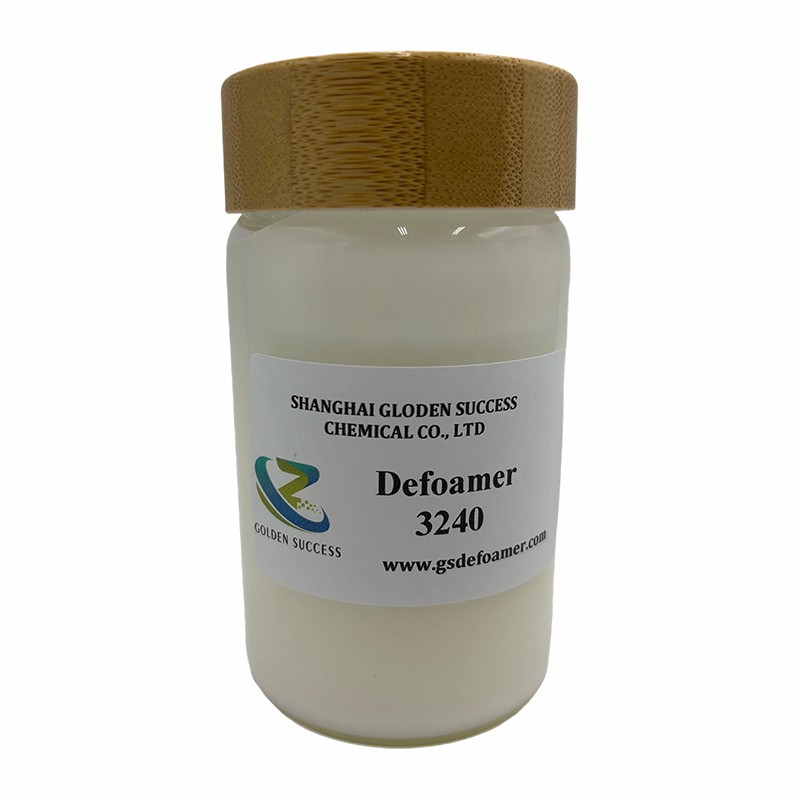
Another great option is DEFOAMER 3240. This defoamer is known for its long - lasting performance. It not only reduces the surface tension but also provides a long - term solution to foam problems in desulfurization processes.
And then there's DEFOAMER 6394. This defoamer is specially formulated to work in a wide range of desulfurization conditions. It can handle different temperatures, pH levels, and chemical compositions of the desulfurization solution.
The effectiveness of a defoamer in reducing surface tension also depends on the dosage. If you add too little defoamer, it may not be able to break down the foam effectively. On the other hand, if you add too much, it can lead to other problems, such as the formation of emulsions or the contamination of the desulfurization solution. So, it's important to find the right dosage for your specific application.
We usually recommend starting with a small dosage and gradually increasing it until you achieve the desired results. Our technical team can also provide you with more detailed guidance on the dosage based on your desulfurization process and the characteristics of your solution.
In addition to reducing surface tension, defoamers can also have other benefits in the desulfurization process. For example, they can improve the efficiency of the desulfurization equipment. When there is less foam, the equipment can operate more smoothly, which can lead to cost savings and better overall performance.
Defoamers can also help to improve the quality of the desulfurization product. By reducing foam, they can prevent the entrainment of impurities in the product, which can result in a higher - quality end product.
If you're facing foam problems in your desulfurization process, we're here to help. Our defoamers are designed to be effective, reliable, and easy to use. We can provide you with samples of our products so that you can test them in your own desulfurization system.
Whether you're dealing with a small - scale desulfurization operation or a large industrial plant, we have the right defoamer for you. Our team of experts is always ready to answer your questions and provide you with the best solutions for your foam control needs.
If you're interested in learning more about our defoamers for desulfurization or want to discuss your specific requirements, don't hesitate to reach out. We're looking forward to working with you to solve your foam problems and improve the efficiency of your desulfurization process.
References
- Some basic textbooks on chemical engineering related to surface tension and defoamer mechanisms.
- Research papers on desulfurization processes and the role of defoamers.