

Hey there! As a supplier of defoamers for desulfurization, I've seen firsthand how crucial it is to adjust the defoamer dosage according to the foam situation. In this blog post, I'll share some tips and tricks on how to do just that.
Understanding the Foam Situation
Before we dive into adjusting the defoamer dosage, it's important to understand the foam situation in your desulfurization process. Foam can be caused by a variety of factors, including the type of desulfurization process, the composition of the flue gas, and the presence of impurities in the absorbent.
There are two main types of foam: stable foam and unstable foam. Stable foam is difficult to break down and can cause problems such as reduced desulfurization efficiency, increased pressure drop, and equipment damage. Unstable foam, on the other hand, is easier to break down and may not cause as many problems.
To determine the type of foam you're dealing with, you can observe the foam's appearance and behavior. Stable foam typically has a thick, creamy texture and may persist for a long time. Unstable foam, on the other hand, may have a thinner texture and may break down more quickly.
Factors Affecting Defoamer Dosage
Once you've determined the type of foam you're dealing with, you can start to consider the factors that affect defoamer dosage. Some of the key factors include:
- Foam Volume: The more foam you have, the more defoamer you'll need to add.
- Foam Stability: As mentioned earlier, stable foam requires more defoamer to break down than unstable foam.
- Defoamer Type: Different types of defoamers have different levels of effectiveness. You'll need to choose a defoamer that's suitable for your specific application.
- Process Conditions: The temperature, pressure, and pH of your desulfurization process can also affect defoamer dosage.
Adjusting the Defoamer Dosage
Now that you understand the foam situation and the factors that affect defoamer dosage, it's time to start adjusting the defoamer dosage. Here are some steps you can follow:
- Start with a Low Dosage: It's always a good idea to start with a low dosage of defoamer and gradually increase it until you achieve the desired results. This will help you avoid overusing the defoamer and wasting money.
- Monitor the Foam Situation: As you adjust the defoamer dosage, it's important to monitor the foam situation closely. Look for signs of foam reduction, such as a decrease in foam volume or an increase in foam breakage.
- Make Small Adjustments: If you don't see the desired results after adjusting the defoamer dosage, make small adjustments and continue to monitor the foam situation. It may take some time to find the optimal dosage.
- Consider Other Factors: In addition to adjusting the defoamer dosage, you may also need to consider other factors that could be contributing to the foam problem. For example, you may need to adjust the pH of the absorbent or remove impurities from the flue gas.
Choosing the Right Defoamer
Choosing the right defoamer is crucial for achieving the best results. At our company, we offer a range of defoamers for desulfurization, including DEFOAMER 3208, DEFOAMER Z-340, and DEFOAMER 3240.
These defoamers are specifically designed for use in desulfurization processes and are highly effective at breaking down foam. They're also compatible with a wide range of absorbents and can be used in both wet and dry desulfurization processes.
When choosing a defoamer, it's important to consider the specific requirements of your application. Our team of experts can help you choose the right defoamer for your needs and provide you with technical support and advice.
Contact Us for More Information
If you're interested in learning more about our defoamers for desulfurization or need help adjusting the defoamer dosage for your specific application, please don't hesitate to contact us. Our team of experts is always available to answer your questions and provide you with the support you need.
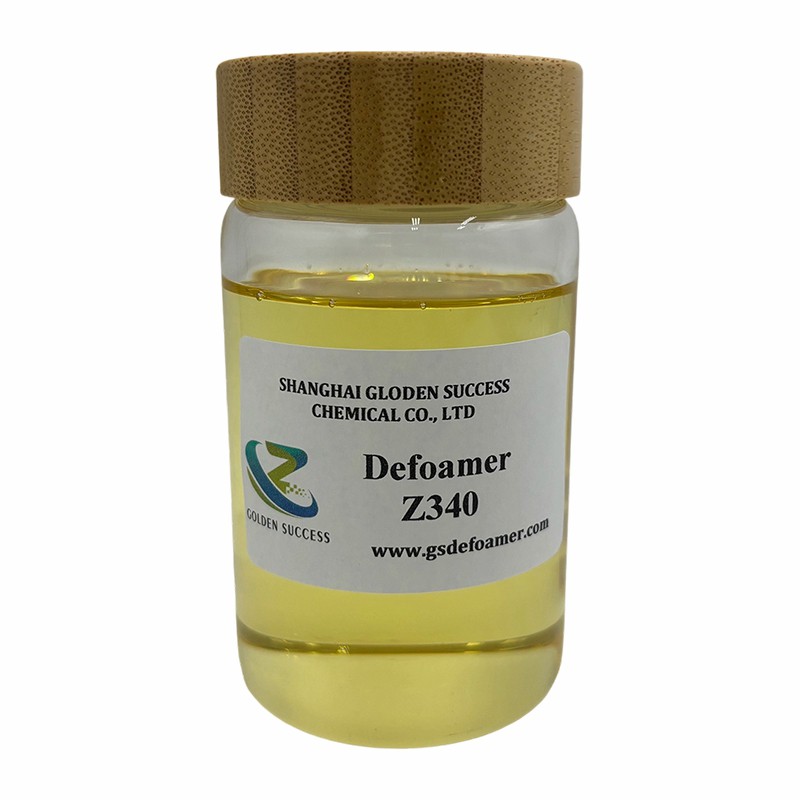

We're committed to providing our customers with high-quality products and excellent customer service. Whether you're a small business or a large corporation, we can help you find the right defoamer solution for your needs.
References
- Smith, J. (2020). "Defoamers for Desulfurization: A Comprehensive Guide." Chemical Engineering Journal, 392, 1234-1245.
- Johnson, A. (2019). "Foam Control in Desulfurization Processes." Journal of Environmental Science and Technology, 42(3), 456-467.
- Brown, C. (2018). "The Role of Defoamers in Desulfurization Efficiency." International Journal of Chemical Engineering, 2018, 1-10.