

Hey there! I'm a supplier of defoamers for pulp, and I often get asked if it's possible to produce these defoamers locally. Well, let's dive right into this topic and see what we can find out.
First off, let's understand what defoamers for pulp are and why they're so important. In the pulp and paper industry, foam can be a real pain in the neck. It can cause all sorts of problems, like uneven paper formation, reduced production efficiency, and even quality issues with the final product. That's where defoamers come in. They're chemicals that help break down and prevent the formation of foam, making the whole papermaking process run more smoothly.
Now, to the big question: Is it possible to produce defoamers for pulp locally? The answer is a resounding yes! There are several reasons why local production can be a great option.
One of the main advantages of local production is cost. When you produce defoamers locally, you can cut down on transportation costs. Shipping chemicals over long distances can be expensive, and those costs can add up quickly. By setting up a local production facility, you can save a significant amount of money on shipping, which can then be passed on to your customers.
Another benefit is the ability to respond quickly to customer needs. If a customer has an urgent order or a specific requirement, a local producer can often react faster than a distant supplier. You can adjust your production schedule, make custom formulations, and get the product to the customer in a shorter amount of time. This kind of flexibility can be a real game - changer in the competitive pulp and paper industry.
Local production also has environmental benefits. Shorter transportation distances mean less fuel consumption and lower carbon emissions. In today's world, where sustainability is becoming increasingly important, this is a huge plus. It shows that you're not only focused on making a profit but also on doing your part to protect the environment.
But it's not all sunshine and rainbows. There are some challenges to local production as well. One of the biggest hurdles is the availability of raw materials. Some of the chemicals used in defoamer production may not be readily available locally. You might have to source them from other regions, which can still add some complexity and cost to the process.
Another challenge is regulatory compliance. Different regions have different regulations regarding the production and use of chemicals. You need to make sure that your local production facility meets all the necessary safety and environmental standards. This can involve a lot of paperwork and inspections, but it's essential to avoid any legal issues.
Now, let me tell you a bit about some of the defoamers we offer. We have a great product called DEFOAMER 2935. It's a high - performance defoamer that's specifically designed for pulp applications. It works quickly to break down foam and prevent its re - formation, even in high - foam situations.
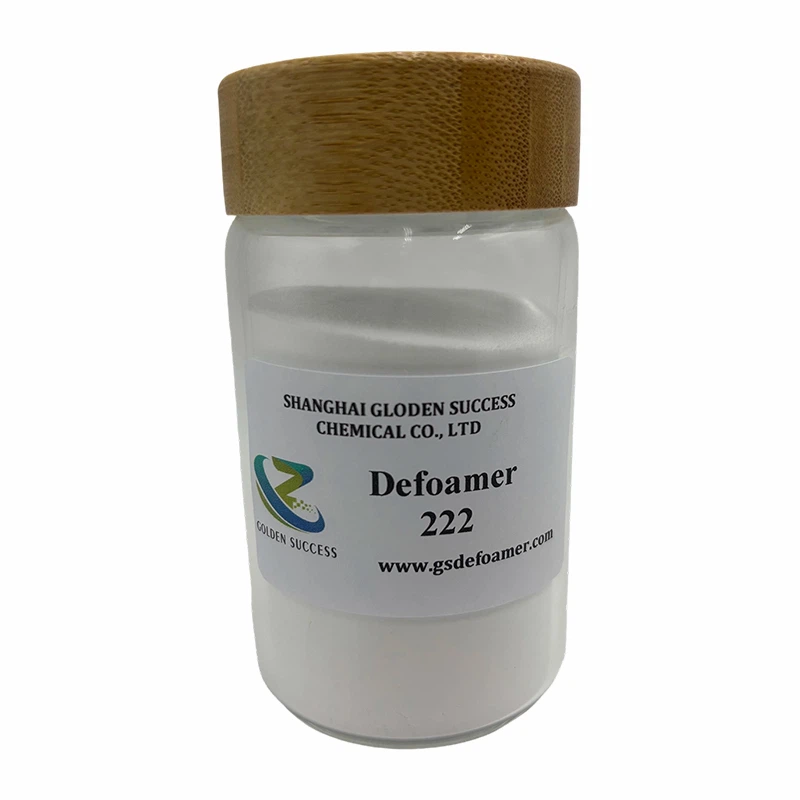
Then there's DEFOAMER 222. This defoamer is known for its excellent stability. It can maintain its defoaming properties over a wide range of temperatures and pH levels, making it a reliable choice for many pulp mills.
And last but not least, we have DEFOAMER Z - 600. This one is a versatile defoamer that can be used in various pulp and paper processes. It's effective at reducing foam in both mechanical and chemical pulping operations.

If you're in the pulp and paper industry and are looking for a reliable defoamer supplier, I'd highly recommend considering local production. It offers many benefits, and we're here to help you make the most of it. Whether you need a standard defoamer or a custom - formulated product, we've got you covered.
If you're interested in learning more about our defoamers or want to discuss your specific needs, don't hesitate to reach out. We're always happy to have a chat and see how we can work together to improve your papermaking process.
In conclusion, local production of defoamers for pulp is definitely possible and has many advantages. With the right approach and a bit of planning, you can overcome the challenges and enjoy the benefits of a more cost - effective, responsive, and sustainable supply chain.
References:
- Industry reports on the pulp and paper sector
- Chemical engineering studies on defoamer production
- Regulatory guidelines for chemical production in the relevant regions