

In the realm of industrial processes, desulfurization plays a pivotal role in reducing harmful sulfur emissions and ensuring environmental compliance. However, one persistent challenge in desulfurization systems is the formation of foam, which can disrupt operations, reduce efficiency, and lead to various issues. This is where desulfurization defoamers come into play. As a leading supplier of desulfurization defoamers, I am excited to explore the diverse application scenarios where these products are indispensable.
Flue Gas Desulfurization (FGD) Systems
Flue gas desulfurization is a widely adopted process in power plants, refineries, and other industrial facilities to remove sulfur dioxide (SO₂) from flue gases. In wet FGD systems, which are the most common type, a slurry containing a sorbent (such as limestone or lime) is used to react with SO₂ and convert it into a solid by - product. During this process, foam can form due to the presence of surfactants, impurities in the flue gas, and the agitation caused by the gas - liquid contact.
Excessive foam in FGD systems can lead to several problems. It can cause carry - over of the slurry into the downstream equipment, such as mist eliminators and fans, which can damage these components and reduce their efficiency. Foam can also hinder the proper contact between the flue gas and the sorbent slurry, resulting in decreased SO₂ removal efficiency. Our desulfurization defoamers, such as DEFOAMER 6870, are specifically formulated to break down and prevent the formation of foam in FGD systems. They are highly effective in reducing foam volume, improving gas - liquid mass transfer, and ensuring the smooth operation of the desulfurization process.
Chemical Desulfurization Processes
In addition to FGD, there are various chemical desulfurization processes used in the petroleum, chemical, and metallurgical industries. For example, in the hydrodesulfurization (HDS) process, which is used to remove sulfur from petroleum products, foam can form during the reaction between the feedstock and the hydrogen in the presence of a catalyst. Foam in HDS reactors can cause issues such as poor catalyst performance, uneven distribution of reactants, and increased pressure drop.
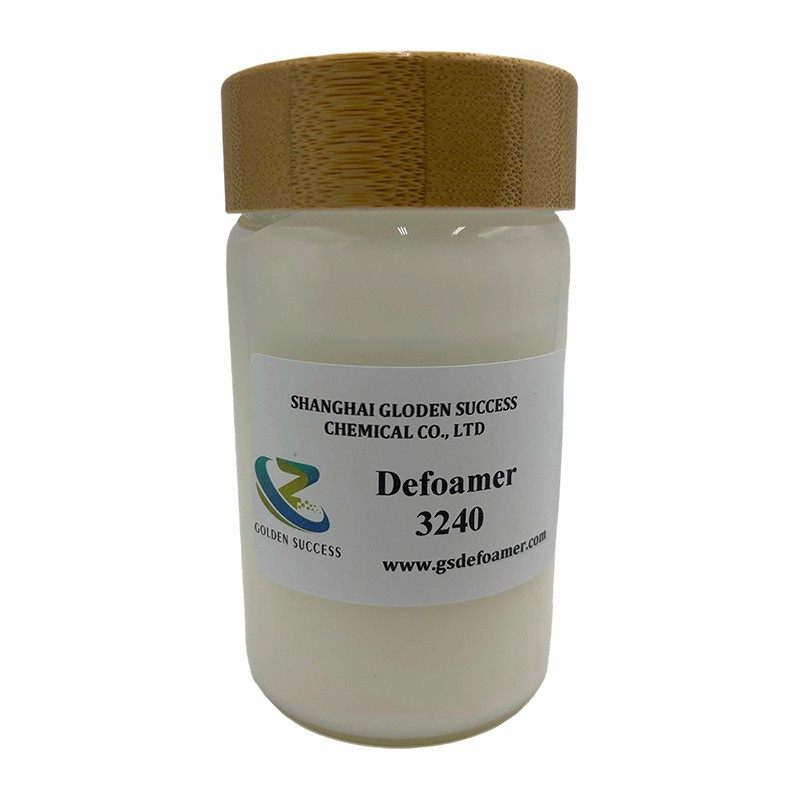
Our desulfurization defoamers, like DEFOAMER 3240, are designed to be compatible with the harsh chemical environments in these processes. They can quickly disperse in the reaction medium, break up foam bubbles, and prevent their re - formation. This helps to maintain the stability of the reaction, improve the quality of the desulfurized products, and reduce the operating costs associated with foam - related problems.
Wastewater Treatment in Desulfurization Plants
Desulfurization plants generate a significant amount of wastewater that contains various pollutants, including sulfur compounds, heavy metals, and suspended solids. During the wastewater treatment process, foam can form due to the presence of organic matter, surfactants, and the aeration used in biological treatment units. Foam in wastewater treatment systems can cause problems such as overflow of the treatment tanks, reduced treatment efficiency, and difficulty in sludge separation.
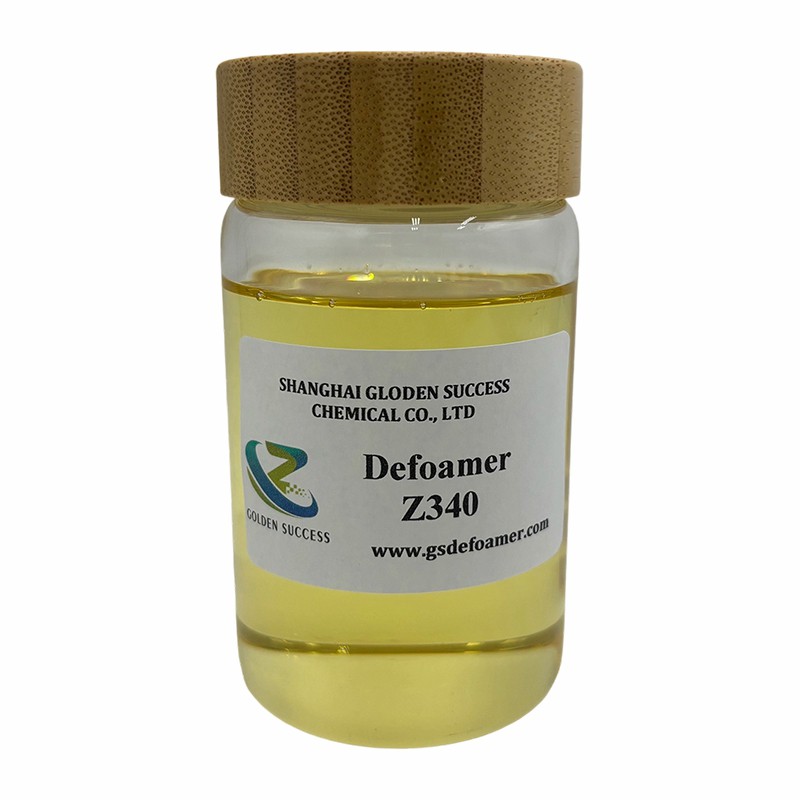
Our DEFOAMER Z - 340 is an excellent choice for wastewater treatment in desulfurization plants. It can effectively control foam in both aerobic and anaerobic treatment processes. By reducing foam, it helps to improve the settling of solids, enhance the performance of the biological treatment units, and ensure that the treated wastewater meets the environmental discharge standards.
Mining and Mineral Processing Desulfurization
In the mining and mineral processing industries, desulfurization is often required to remove sulfur from ores and concentrates. For example, in the flotation process, which is used to separate valuable minerals from gangue, foam is intentionally generated to carry the hydrophobic minerals to the surface. However, excessive or unwanted foam can occur due to factors such as the presence of natural surfactants in the ore, the type of reagents used, and the agitation in the flotation cells.
Desulfurization defoamers can be used to control the foam in these processes. They can help to optimize the foam stability, improve the selectivity of the flotation process, and prevent the carry - over of fine particles with the foam. This leads to higher recovery rates of valuable minerals, better quality of the concentrates, and reduced environmental impact.
Pulp and Paper Industry Desulfurization
The pulp and paper industry also faces desulfurization challenges, especially in the kraft pulping process. During the cooking of wood chips with a mixture of sodium hydroxide and sodium sulfide, sulfur - containing compounds are released, and foam can form due to the presence of lignin, hemicellulose, and other organic substances. Foam in the pulp and paper desulfurization systems can cause problems such as overflow of the digesters, reduced heat transfer efficiency, and difficulty in pulp washing.
Our desulfurization defoamers are well - suited for the pulp and paper industry. They can effectively control foam in the various stages of the desulfurization process, ensuring the smooth operation of the production line and improving the quality of the final paper products.
Advantages of Our Desulfurization Defoamers
Our desulfurization defoamers offer several advantages over other products on the market. Firstly, they are highly efficient in foam control. They can quickly break down existing foam and prevent its re - formation, even in high - foam - generating environments. Secondly, they are chemically stable and compatible with a wide range of desulfurization processes and chemicals. This means that they can be used without causing any adverse reactions or affecting the performance of other process components.
Thirdly, our defoamers are environmentally friendly. They are formulated to meet the strict environmental regulations, and they do not contain any harmful substances such as heavy metals or volatile organic compounds. Finally, we offer customized solutions based on the specific requirements of each customer. Our technical team can work closely with you to understand your process, analyze the foam problems, and recommend the most suitable desulfurization defoamer.
Conclusion and Call to Action
In conclusion, desulfurization defoamers have a wide range of application scenarios in various industries. Whether it is in flue gas desulfurization, chemical desulfurization, wastewater treatment, mining, or the pulp and paper industry, our defoamers can play a crucial role in ensuring the efficient and stable operation of the desulfurization processes.
If you are facing foam problems in your desulfurization system, we invite you to contact us for more information. Our team of experts is ready to provide you with detailed product information, technical support, and samples for testing. We believe that our desulfurization defoamers can help you solve your foam problems, improve your process efficiency, and reduce your operating costs. Let's work together to achieve better desulfurization results and a more sustainable future.
References
- "Handbook of Industrial Foam Control" by John W. Rossen
- "Flue Gas Desulfurization: Fundamentals and Applications" by A. K. Biswas
- "Wastewater Treatment Technologies" by Metcalf & Eddy