

Foam can be a real pain in the neck during concrete production. It can mess up the whole process, leading to issues like reduced strength, poor surface finish, and decreased durability of the final concrete product. That's where defoaming agents come in super handy. As a defoaming agents supplier, I've seen firsthand how these little wonders can transform the concrete production game.
Why Foam is a Problem in Concrete Production
Before we dive into the defoaming agents, let's quickly talk about why foam is such a big deal in concrete production. When concrete is being mixed, air can get trapped in the mixture. This trapped air forms bubbles, which can cause a bunch of problems. For starters, the presence of foam can reduce the density of the concrete. A less dense concrete means it's not as strong as it should be, and it won't be able to withstand heavy loads or harsh environmental conditions.
Another issue is the surface finish. Foamy concrete often results in a rough and uneven surface. This is a no - go for projects where a smooth and aesthetically pleasing finish is required, like in decorative concrete applications. Also, foam can increase the water absorption rate of the concrete. More water absorption means the concrete is more prone to freeze - thaw damage, which can lead to cracks and spalling over time.
Types of Defoaming Agents for Concrete Production
There are several types of defoaming agents that can be used to tackle the foam problem in concrete production. Let's take a look at some of the most common ones.
Silicone - based Defoaming Agents
Silicone - based defoamers are pretty popular in the concrete industry. They work by spreading on the surface of the foam bubbles. Once they spread, they break the surface tension of the bubbles, causing them to burst. These defoamers are known for their high efficiency, even at low concentrations. They can quickly reduce the foam volume and prevent new foam from forming.
One of the great things about silicone - based defoamers is their wide range of applications. They can be used in different types of concrete mixes, including high - strength and self - compacting concrete. However, they do have a few drawbacks. Sometimes, they can cause surface defects if not used properly. And in some cases, they may interact with other additives in the concrete, which can affect the overall performance of the mix.
Mineral Oil - based Defoaming Agents
Mineral oil - based defoamers are another option. They are made from refined mineral oils and other additives. These defoamers work by displacing the foam - stabilizing agents in the concrete mixture. When they displace these agents, the foam bubbles become unstable and collapse.
Mineral oil - based defoamers are relatively inexpensive compared to silicone - based ones. They are also compatible with a wide range of cement types and other concrete additives. But they may not be as effective in high - shear mixing conditions. High - shear mixing can break down the mineral oil droplets, reducing their defoaming efficiency.
Polyether - based Defoaming Agents
Polyether - based defoamers are a newer type of defoaming agent. They are made from polyether compounds and have some unique properties. These defoamers are very effective in reducing foam in concrete mixes that contain a lot of surfactants. Surfactants are substances that can increase the foam formation in concrete.
Polyether - based defoamers are also environmentally friendly. They have low toxicity and are biodegradable, which is a big plus in today's eco - conscious world. However, they may be more expensive than some other types of defoamers, and their performance can be affected by factors like temperature and pH.
Our Product Offerings
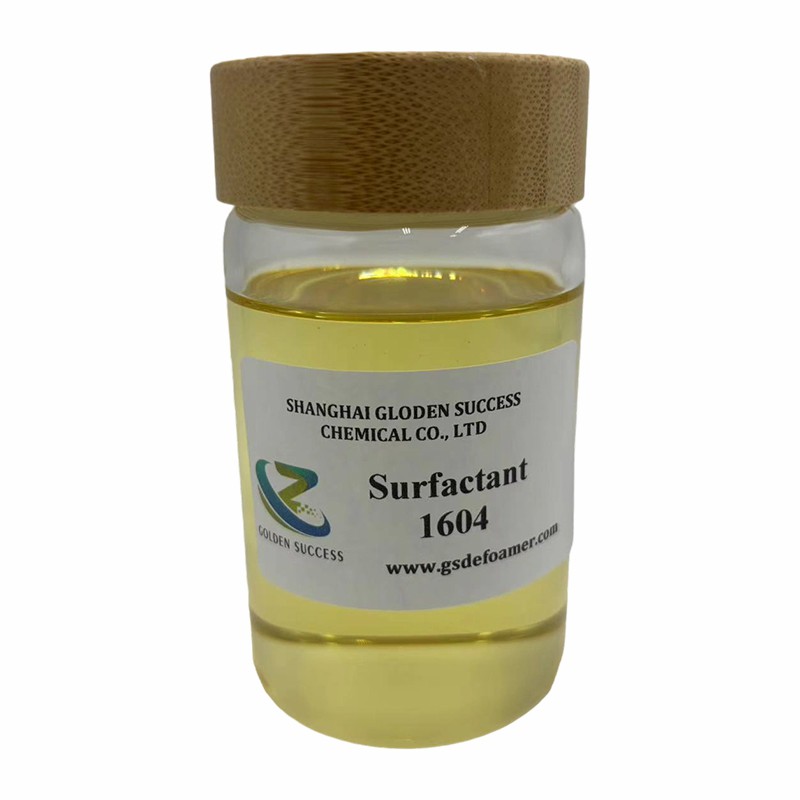
As a defoaming agents supplier, we have a great range of products to meet the different needs of concrete producers. One of our popular products is Surfactant 1604. This surfactant can help in reducing the surface tension of the concrete mixture, which in turn can prevent excessive foam formation. It's a non - silicone - based product, so it's a good option for those who want to avoid silicone - related issues.
We also offer Defoamer 6823. This defoamer is highly effective in breaking down foam bubbles and preventing their re - formation. It can be used in a variety of concrete production processes, whether it's for small - scale projects or large - scale industrial applications.
Another product in our lineup is TDS - Thickener 350. While it's primarily a thickener, it also has defoaming properties. It can help in stabilizing the concrete mixture and reducing the amount of foam.
How to Choose the Right Defoaming Agent
Choosing the right defoaming agent for your concrete production is crucial. There are a few factors you need to consider. First, think about the type of concrete mix you're using. Different mixes may require different types of defoamers. For example, if you're using a high - strength concrete mix, you may need a more powerful defoamer like a silicone - based one.

The mixing conditions are also important. If you're using high - shear mixing, you need a defoamer that can withstand those conditions without losing its effectiveness. Mineral oil - based defoamers may not be the best choice in high - shear situations, while polyether - based defoamers can perform better.
Cost is another factor. You want to get a defoaming agent that fits your budget without compromising on quality. Sometimes, a more expensive defoamer may be worth the investment if it can significantly improve the quality of your concrete and reduce production costs in the long run.
The Application Process
Once you've chosen the right defoaming agent, it's important to apply it correctly. The defoaming agent should be added at the right stage of the concrete mixing process. In most cases, it's best to add it during the initial mixing stage. This allows the defoamer to distribute evenly throughout the mixture and start working immediately.
The dosage of the defoaming agent is also critical. Too little of it won't be effective in reducing the foam, while too much can cause other problems, like affecting the setting time of the concrete or reducing its strength. It's always a good idea to follow the manufacturer's recommendations for dosage and application.
Conclusion
Foam in concrete production can be a major headache, but with the right defoaming agents, it doesn't have to be. As a defoaming agents supplier, we're committed to providing high - quality products that can help you produce better - quality concrete. Whether you're a small - scale contractor or a large - scale concrete producer, we have the products and expertise to meet your needs.
If you're interested in learning more about our defoaming agents or want to discuss your specific requirements, don't hesitate to get in touch. We're here to help you make the most of your concrete production process and ensure that your projects are a success. Contact us today to start a conversation about how our defoaming agents can improve your concrete quality.
References
- Neville, A. M. (1995). Properties of Concrete. Pearson Education.
- Mindess, S., Young, J. F., & Darwin, D. (2003). Concrete. Prentice Hall.