

What are the effects of a defoamer for desulfurization on the desulfurization system's foam size distribution?
In the field of industrial desulfurization, foam control is a critical aspect that directly impacts the efficiency and stability of the desulfurization system. As a trusted supplier of defoamers for desulfurization, I have witnessed firsthand the significant influence that these products can have on the foam size distribution within desulfurization systems.
The Role of Foam in Desulfurization Systems
Before delving into the effects of desulfurization defoamers on foam size distribution, it is essential to understand the role of foam in desulfurization systems. Foam is often generated during the desulfurization process due to various factors, such as the presence of surfactants, gas-liquid interactions, and chemical reactions. While a certain amount of foam can be beneficial as it may enhance gas-liquid mass transfer, excessive foam can lead to numerous problems.
Excessive foam can cause carryover, where foam and entrained liquid droplets are carried out of the desulfurization equipment. This not only results in the loss of valuable desulfurization agents but also may contaminate downstream equipment. Moreover, excessive foam can reduce the effective volume of the desulfurization tower, leading to decreased desulfurization efficiency and increased energy consumption.
How Defoamers Work
Defoamers for desulfurization are designed to disrupt the stability of foam and reduce its volume. They work through several mechanisms. One of the primary mechanisms is the spreading of the defoamer on the surface of the foam film. When a defoamer droplet comes into contact with the foam film, it spreads rapidly, causing a local reduction in surface tension. This imbalance in surface tension leads to the rupture of the foam film and the collapse of the foam bubble.
Another mechanism is the entry of the defoamer into the Plateau borders of the foam. The Plateau borders are the thin liquid channels where the foam bubbles meet. By entering these regions, the defoamer can disrupt the liquid flow and drainage within the foam, accelerating the collapse of the foam structure.
Effects on Foam Size Distribution
The addition of a desulfurization defoamer can have a profound impact on the foam size distribution within the desulfurization system.
Reduction in Large Foam Bubbles
One of the most noticeable effects is the significant reduction in the number and size of large foam bubbles. Large foam bubbles are more stable and difficult to break compared to small bubbles. Desulfurization defoamers are particularly effective at targeting these large bubbles. For example, when using DEFOAMER 6870, which is specifically formulated for desulfurization applications, it can quickly spread on the surface of large foam bubbles and cause them to rupture. As a result, the average size of the foam bubbles in the system decreases.
This reduction in large foam bubbles is crucial for improving the overall performance of the desulfurization system. Smaller foam bubbles have a larger surface area-to-volume ratio, which can enhance gas-liquid mass transfer. This means that the desulfurization agents can more effectively react with the sulfur-containing gases, leading to higher desulfurization efficiency.
Influence on Small Foam Bubbles
While defoamers primarily target large foam bubbles, they can also have an impact on small foam bubbles. In some cases, defoamers can cause the coalescence of small foam bubbles. Coalescence occurs when two or more small bubbles combine to form a larger bubble. However, this larger bubble is then more likely to be broken by the defoamer.
On the other hand, some advanced defoamers, such as DEFOAMER 6394, are designed to maintain a certain level of small foam bubbles. These small bubbles can still contribute to gas-liquid mass transfer without causing the problems associated with excessive foam. By carefully controlling the foam size distribution, these defoamers can optimize the desulfurization process.
Stabilization of Foam Size Distribution
Desulfurization defoamers can also help to stabilize the foam size distribution over time. In a desulfurization system without a defoamer, the foam size distribution can be highly variable. Fluctuations in operating conditions, such as gas flow rate, temperature, and the concentration of desulfurization agents, can lead to significant changes in foam generation and stability.
By continuously adding an appropriate defoamer, such as DEFOAMER Z - 340, the foam size distribution can be kept within a relatively narrow range. This stability is beneficial for maintaining consistent desulfurization performance and reducing the risk of equipment damage caused by excessive foam.
Factors Affecting the Performance of Defoamers on Foam Size Distribution
Several factors can affect the performance of desulfurization defoamers on foam size distribution.
Chemical Composition of the Defoamer
The chemical composition of the defoamer plays a crucial role. Different types of defoamers, such as silicone-based, oil-based, and powder-based defoamers, have different surface activities and spreading abilities. Silicone-based defoamers, for example, are known for their excellent spreading properties and high defoaming efficiency. They can quickly reduce the size of large foam bubbles and maintain a relatively stable foam size distribution.
Dosage of the Defoamer
The dosage of the defoamer is another important factor. If the dosage is too low, the defoamer may not be able to effectively control the foam, and the foam size distribution may not be significantly improved. On the other hand, if the dosage is too high, it may lead to over - defoaming, which can also have negative effects. Over - defoaming can reduce the beneficial effects of small foam bubbles on gas - liquid mass transfer and may even cause the formation of emulsions or other unwanted side reactions.
Operating Conditions of the Desulfurization System
The operating conditions of the desulfurization system, such as temperature, pH, and gas flow rate, can also affect the performance of the defoamer. For example, at higher temperatures, the viscosity of the desulfurization liquid may decrease, which can affect the spreading and stability of the defoamer. Similarly, changes in pH can alter the surface properties of the foam and the defoamer, influencing their interaction.
Importance of Selecting the Right Defoamer
Selecting the right defoamer for desulfurization is crucial for achieving the desired effects on foam size distribution and overall desulfurization performance. As a supplier, we offer a wide range of defoamers specifically tailored to different desulfurization systems and operating conditions.

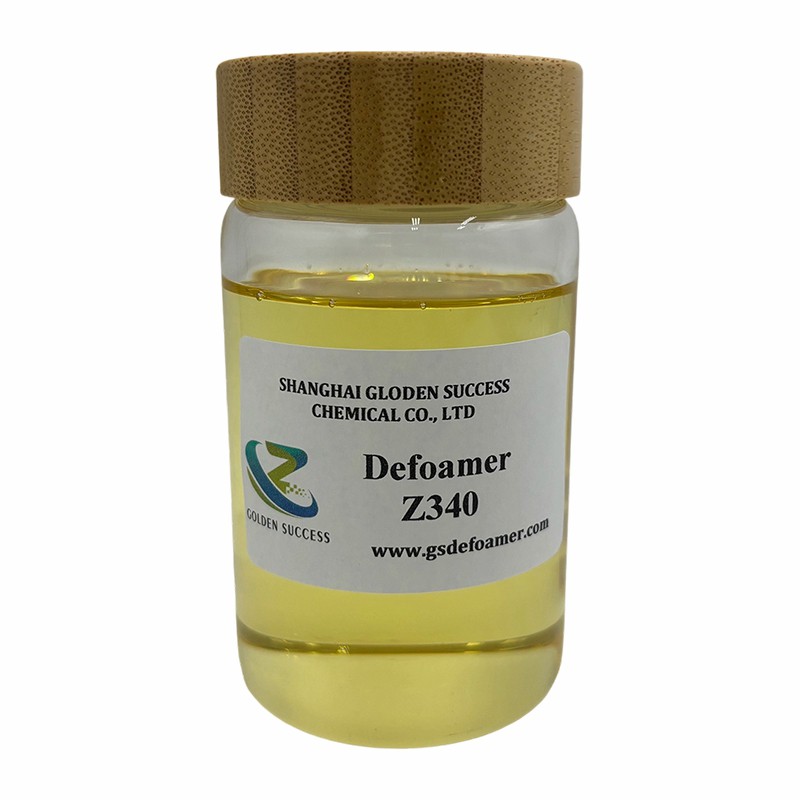
When choosing a defoamer, it is important to consider the chemical composition of the desulfurization liquid, the type of sulfur - containing gases being treated, and the operating parameters of the desulfurization system. Our technical team can provide in - depth consultation and assistance to help customers select the most suitable defoamer for their specific needs.
Conclusion
In conclusion, desulfurization defoamers play a vital role in controlling the foam size distribution within desulfurization systems. By reducing the number and size of large foam bubbles, influencing the behavior of small foam bubbles, and stabilizing the foam size distribution, defoamers can significantly improve the efficiency and stability of the desulfurization process.
If you are facing foam - related problems in your desulfurization system or are looking to optimize your desulfurization performance, we invite you to contact us for a detailed discussion. Our team of experts is ready to provide you with the best solutions and high - quality defoamers for desulfurization.
References
- Smith, J. (2018). Foam control in industrial processes. Chemical Engineering Journal, 345, 234 - 245.
- Johnson, A. (2019). The mechanism of defoamer action in desulfurization systems. Journal of Environmental Science and Technology, 42(3), 123 - 132.
- Brown, C. (2020). Influence of operating conditions on the performance of desulfurization defoamers. Industrial & Engineering Chemistry Research, 59(10), 4567 - 4575.