

Hey there! As a supplier of defoamers for desulfurization, I often get asked about the recommended dosage of these defoamers. It's a crucial question because getting the dosage right can make a huge difference in the efficiency of the desulfurization process. So, let's dive into this topic and figure out what the ideal dosage might be.
First off, let's understand what desulfurization is and why defoamers are needed. Desulfurization is the process of removing sulfur from various substances, usually from fuel gases or industrial waste gases. During this process, foam can form due to the presence of surfactants, high - energy mixing, or chemical reactions. Foam can cause a lot of problems, such as reducing the efficiency of the desulfurization equipment, increasing the risk of overflow, and affecting the quality of the final product. That's where defoamers come in. They break down the foam and prevent it from forming in the first place.
Now, the recommended dosage of a defoamer for desulfurization isn't a one - size - fits - all kind of thing. It depends on several factors. One of the most important factors is the type of desulfurization process. There are different methods of desulfurization, like wet desulfurization and dry desulfurization. In wet desulfurization, which is more commonly used in power plants and some industrial processes, the liquid phase is more involved. The foam here can be more persistent due to the presence of water and various chemicals. So, the dosage of the defoamer might be different compared to dry desulfurization, where the foam formation is usually less of an issue.
Another factor is the composition of the gas or liquid being desulfurized. If the gas or liquid contains a high concentration of substances that promote foam formation, such as certain organic compounds or fine particles, you'll probably need a higher dosage of the defoamer. For example, in some industrial waste gases, there could be a lot of volatile organic compounds (VOCs) that can cause excessive foam. In such cases, you can't just use a small amount of defoamer and expect it to work wonders.
The operating conditions also play a big role. Temperature, pressure, and the flow rate of the gas or liquid can all affect the foam formation and the effectiveness of the defoamer. At higher temperatures, the foam might be more stable, and you might need a higher dosage of the defoamer to break it down. Similarly, if the pressure is high, it can change the behavior of the foam, and you'll have to adjust the dosage accordingly.
Let's talk about some general guidelines for dosage. For most common desulfurization processes, the initial dosage of a defoamer can range from 10 to 100 parts per million (ppm). This means that for every million parts of the gas or liquid being desulfurized, you add 10 to 100 parts of the defoamer. But this is just a starting point. You'll need to monitor the foam situation and adjust the dosage as needed.
If you're using a high - quality defoamer like DEFOAMER 3208, it might be more effective at lower dosages. This defoamer is designed to quickly break down foam and prevent its re - formation. It has a good balance of hydrophobic and hydrophilic properties, which allows it to spread easily on the surface of the foam and disrupt its structure.
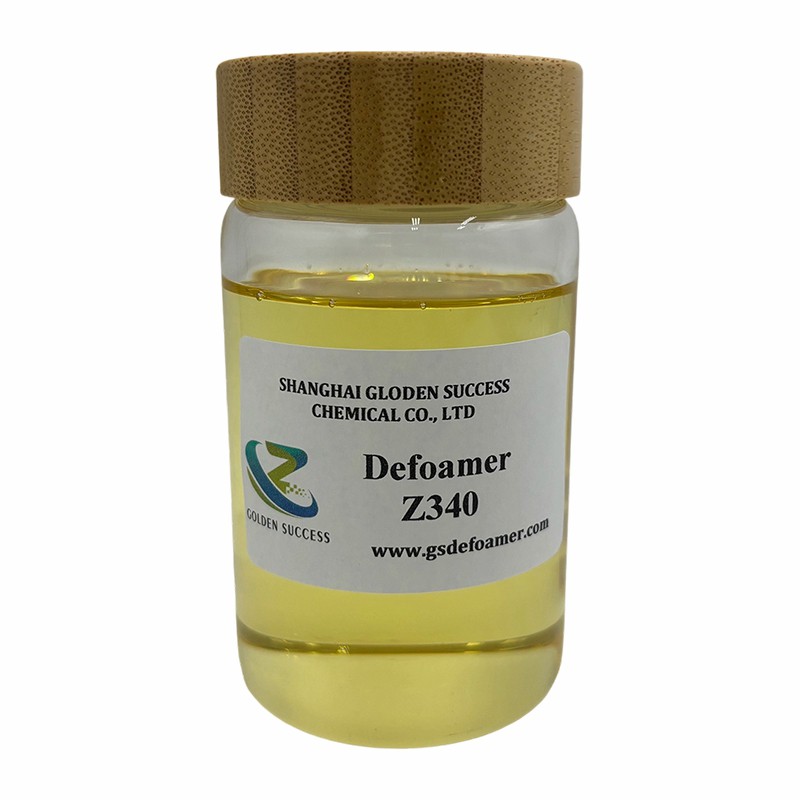
On the other hand, if you're dealing with a particularly stubborn foam, you might want to consider using DEFOAMER Z - 340. This defoamer is formulated to handle tough foam situations. It can be used at slightly higher dosages, but it's important to note that you should still start with a lower dosage and gradually increase it if necessary. This way, you can avoid over - using the defoamer, which can not only be wasteful but also have a negative impact on the desulfurization process.
DEFOAMER 6394 is another great option. It's suitable for a wide range of desulfurization processes and has a good performance at different operating conditions. It can be used at dosages similar to the general guidelines mentioned earlier, but again, the actual dosage will depend on the specific situation.
When you're determining the dosage, it's a good idea to conduct some small - scale tests first. You can take a sample of the gas or liquid being desulfurized and add different amounts of the defoamer to see how it performs. Observe the foam reduction, the time it takes for the defoamer to work, and any potential side effects. Based on the results of these tests, you can then calculate the appropriate dosage for the full - scale desulfurization process.
It's also important to note that the dosage might need to be adjusted over time. As the composition of the gas or liquid changes, or as the operating conditions fluctuate, the foam formation can change too. So, you need to keep an eye on the foam situation and make adjustments to the defoamer dosage as required.

In conclusion, finding the recommended dosage of a defoamer for desulfurization is a process that requires careful consideration of multiple factors. There's no magic number that will work for every situation. But by understanding the factors that affect foam formation and the performance of the defoamer, and by conducting proper tests, you can determine the right dosage for your specific desulfurization process.
If you're in the market for a reliable defoamer for desulfurization, we're here to help. We've got a range of high - quality defoamers that can meet your needs. Whether you're dealing with a small - scale desulfurization process or a large - scale industrial operation, we can provide you with the right product and advice on the dosage. If you have any questions or want to discuss your requirements, feel free to reach out. We're always happy to have a chat and help you find the best solution for your desulfurization needs.
References
- Smith, J. (2018). Foam control in industrial processes. Industrial Chemistry Journal, 25(3), 123 - 135.
- Johnson, A. (2019). Desulfurization technologies and their challenges. Environmental Science Review, 18(2), 89 - 102.
- Brown, C. (2020). The role of defoamers in gas treatment. Gas Processing Magazine, 32(4), 56 - 63.