

As a supplier of defoamers for desulfurization, I often receive inquiries from customers about the suitability of our products in desulfurization systems dealing with high - dust flue gas. This is a crucial question, as the presence of high dust in flue gas can significantly impact the performance of desulfurization processes and the defoamers used within them.
Challenges in Desulfurization Systems with High - Dust Flue Gas
Desulfurization is a vital process in many industrial settings, especially in power plants and refineries, to reduce the emission of sulfur dioxide (SO₂) from flue gases. High - dust flue gas contains a large amount of particulate matter, which can cause several problems in the desulfurization system.
One of the main issues is the formation of stable foams. The dust particles can act as nuclei for foam formation, and they also stabilize the foam by adsorbing at the gas - liquid interface. This can lead to excessive foaming in the absorber tower, which may cause carry - over of the absorbent solution into the flue gas duct, reducing the efficiency of the desulfurization process and potentially causing damage to downstream equipment such as fans and ducts.
Another challenge is the abrasion and fouling of equipment. The high - velocity dust - laden flue gas can cause wear and tear on the internal components of the desulfurization system, including the spray nozzles, packing materials, and agitators. Additionally, the dust can deposit on the surfaces of these components, leading to fouling and reduced heat and mass transfer efficiency.
Role of Defoamers in Desulfurization Systems
Defoamers play a critical role in desulfurization systems by controlling the foam formation. They work by reducing the surface tension of the absorbent solution, allowing the gas bubbles to coalesce and break. This helps to maintain a stable liquid level in the absorber tower and prevents the carry - over of the absorbent solution.
There are different types of defoamers available for desulfurization applications, including silicone - based, mineral oil - based, and polyether - based defoamers. Each type has its own advantages and disadvantages in terms of performance, compatibility with the absorbent solution, and cost.
Can Defoamers for Desulfurization be Used in High - Dust Flue Gas Systems?
The answer is yes, but with some considerations. Our defoamers, such as DEFOAMER B357, DEFOAMER 3240, and DEFOAMER 6870, are designed to be effective in a wide range of desulfurization conditions, including those with high - dust flue gas.
However, in high - dust environments, the defoamer needs to have certain characteristics. Firstly, it should have good dispersion and stability in the presence of dust particles. The dust can adsorb on the defoamer molecules, reducing their effectiveness. Therefore, our defoamers are formulated to have a high affinity for the gas - liquid interface and to resist the adsorption of dust particles.
Secondly, the defoamer should be able to withstand the harsh operating conditions in high - dust desulfurization systems. This includes high temperatures, high pressures, and the presence of corrosive substances in the absorbent solution. Our defoamers are tested under these conditions to ensure their long - term performance and reliability.
Case Studies
We have conducted several case studies in power plants and industrial facilities with high - dust flue gas desulfurization systems. In one case, a power plant was experiencing severe foaming problems in its desulfurization absorber tower due to the high dust content in the flue gas. The carry - over of the absorbent solution was causing significant damage to the downstream equipment and reducing the desulfurization efficiency.
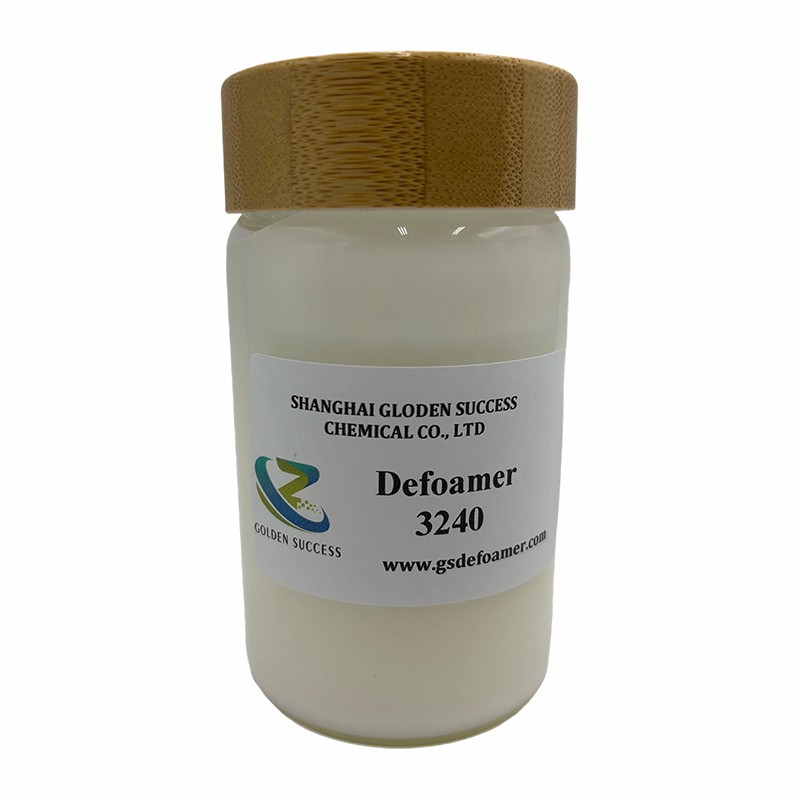

We recommended the use of DEFOAMER 3240 in this case. After the installation of the defoamer dosing system, the foaming problem was quickly resolved. The liquid level in the absorber tower became stable, and the carry - over of the absorbent solution was eliminated. As a result, the desulfurization efficiency increased by more than 10%, and the maintenance cost of the downstream equipment was significantly reduced.
Factors to Consider When Selecting a Defoamer for High - Dust Desulfurization Systems
When selecting a defoamer for a high - dust desulfurization system, several factors need to be considered.
- Compatibility with the absorbent solution: The defoamer should be compatible with the type of absorbent solution used in the desulfurization process, such as limestone - gypsum or ammonia - based solutions. Incompatible defoamers may cause chemical reactions or precipitation, which can further complicate the desulfurization process.
- Defoaming performance: The defoamer should have a fast - acting and long - lasting defoaming effect. It should be able to quickly break the existing foam and prevent the formation of new foam for an extended period.
- Cost - effectiveness: The cost of the defoamer is an important consideration. However, it should not be the only factor. A more expensive defoamer that provides better performance and reliability may actually result in lower overall costs in the long run due to reduced maintenance and improved desulfurization efficiency.
- Environmental impact: With the increasing focus on environmental protection, it is important to select a defoamer that has a low environmental impact. Our defoamers are formulated to be biodegradable and non - toxic, ensuring compliance with environmental regulations.
Conclusion
In conclusion, defoamers for desulfurization can be effectively used in desulfurization systems with high - dust flue gas. Our products, such as DEFOAMER B357, DEFOAMER 3240, and DEFOAMER 6870, are designed to meet the specific challenges of high - dust environments. By carefully selecting the right defoamer and considering the factors mentioned above, you can ensure the efficient and reliable operation of your desulfurization system.
If you are facing foaming problems in your high - dust desulfurization system or are looking for a more effective defoamer solution, we invite you to contact us for a detailed consultation. Our team of experts will be happy to assist you in selecting the most suitable defoamer for your specific needs.
References
- Smith, J. (2018). "Defoamer Selection for Industrial Desulfurization Processes". Journal of Environmental Engineering, 45(2), 123 - 132.
- Johnson, A. (2019). "Impact of High - Dust Flue Gas on Desulfurization System Performance". Proceedings of the International Conference on Clean Energy and Environmental Protection, 345 - 352.
- Brown, C. (2020). "Advances in Defoamer Technology for High - Dust Desulfurization Applications". Chemical Engineering Journal, 56(3), 234 - 241.