

Can silicone based wetting agent be used in textile printing?

Hey there! I'm a supplier of silicone based wetting agents, and I often get asked if these agents can be used in textile printing. Well, let's dive right into it and find out.
First off, what exactly are silicone based wetting agents? They're special chemicals that help liquids spread out more evenly on a surface. In simple terms, they reduce the surface tension of a liquid, allowing it to cover a larger area. This property makes them super useful in a bunch of industries, and textile printing is definitely one of them.
In textile printing, the goal is to get the ink to spread smoothly and evenly across the fabric. If the ink doesn't spread well, you end up with blotchy prints, uneven colors, and a generally poor - quality finished product. That's where silicone based wetting agents come in.
One of the main benefits of using silicone based wetting agents in textile printing is improved ink penetration. When the wetting agent is added to the ink, it helps the ink seep into the fibers of the fabric more effectively. This means that the print will be more vivid, have better color fastness, and last longer. For example, if you're printing a bright, bold design on a cotton T - shirt, the wetting agent will ensure that the ink reaches deep into the cotton fibers, so the colors don't fade easily after washing.
Another advantage is better print uniformity. These wetting agents help the ink flow more smoothly through the printing equipment, whether it's a screen - printing machine or a digital printer. This results in a more consistent print across the entire fabric surface. No more patches of lighter or darker colors! You can achieve a professional - looking finish every time.
Now, let's talk about some of our specific products. We have Wetting Agent 2445, which is great for use with water - based inks. It has excellent wetting properties and is very compatible with a wide range of fabrics, including cotton, polyester, and blends. This agent helps the ink spread quickly and evenly, giving you sharp, clear prints.
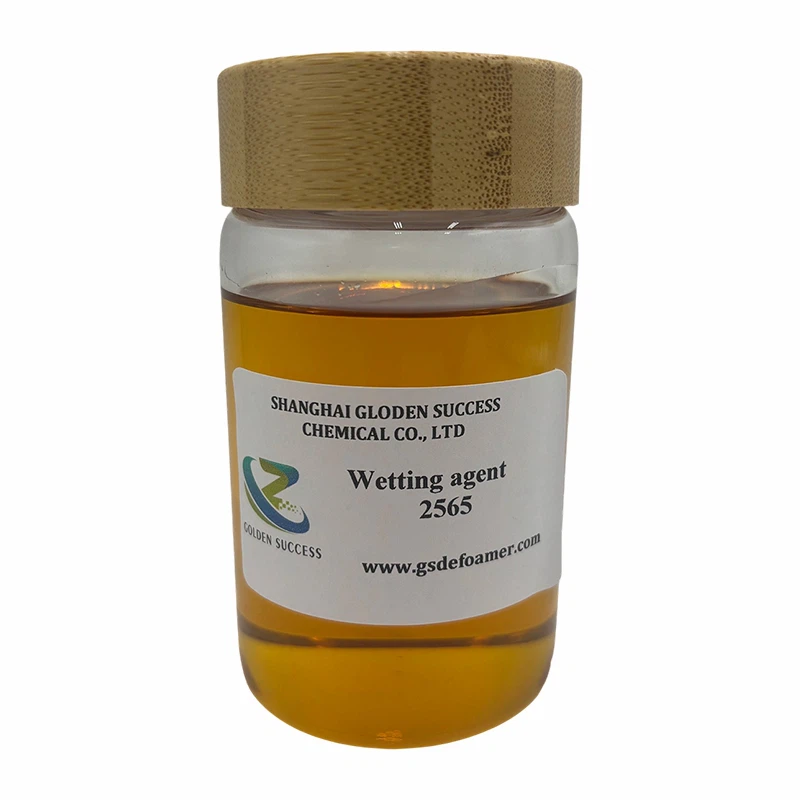
Wetting Agent 2565 is another fantastic option. It's designed for use in high - speed printing processes. If you're running a large - scale textile printing operation, this agent will help you increase your production speed without sacrificing print quality. It reduces the risk of ink splashing and uneven spreading, so you can keep your production line running smoothly.
And then there's Wetting Agent 2648. This one is ideal for use with solvent - based inks. It has a high level of stability and can withstand the harsh conditions often associated with solvent - based printing. It ensures that the ink adheres well to the fabric and provides long - lasting prints.
But, like any product, there are a few things to keep in mind when using silicone based wetting agents in textile printing. First of all, you need to use the right concentration. If you add too much of the wetting agent, it can cause the ink to spread too much, leading to blurry prints. On the other hand, if you don't add enough, you won't get the desired wetting effect. It's all about finding that sweet spot.
Also, it's important to test the wetting agent on a small sample of the fabric first. Different fabrics can react differently to the wetting agent, so it's a good idea to do a test run to make sure you're getting the results you want. This will save you a lot of time and money in the long run.
In addition, you need to consider the compatibility of the wetting agent with other chemicals in your printing process. For example, if you're using a thickener or a fixative in your ink, you need to make sure that the wetting agent doesn't interact negatively with these other chemicals.
Overall, silicone based wetting agents are a great addition to the textile printing process. They offer a range of benefits that can improve the quality and efficiency of your printing operations. Whether you're a small - scale printer or a large - scale manufacturer, these agents can help you achieve better results.
If you're interested in learning more about our silicone based wetting agents or want to discuss how they can be incorporated into your textile printing process, don't hesitate to reach out. We're here to help you find the best solution for your specific needs.
References
- Textile Printing Technology Handbook. A comprehensive guide on the latest techniques and chemicals used in textile printing.
- Journal of Textile Science and Engineering. Articles on various aspects of textile production, including the use of wetting agents.