

Alright, folks! As a supplier of defoamers for paper coating, I often get asked a question that's been floating around in the industry: "Do defoamers for paper coating have an odor?" It's a valid concern, especially when you're dealing with materials that are used in various production processes.
Let's start by understanding what defoamers for paper coating are. These are substances that we add to the paper - coating mixtures to prevent the formation of foam. Foam can cause a lot of problems in the paper - coating process. It can lead to uneven coating, which affects the quality of the final paper product. It can also cause issues with the machinery, like clogging and reduced efficiency. So, defoamers are pretty important in this whole operation.
Now, back to the odor question. The short answer is: it depends. Not all defoamers for paper coating have an odor, but some do, and here's why.
What Causes Odor in Defoamers?
The odors in defoamers usually come from the raw materials used in their production. Some of the chemical compounds that are effective in breaking down foam can have their own distinct smells. For example, certain types of alcohols or esters that are commonly used in defoamer formulations can have a strong odor.
Another factor that can contribute to the odor is the manufacturing process. Sometimes, the production methods can leave behind residual chemicals or by - products that have a smell. And environmental conditions during production can also play a role. If the manufacturing facility has sub - optimal ventilation or temperature control, it can affect how the defoamer smells.
Types of Defoamers and Their Odor Profiles
Let's talk about some of the defoamers we supply.
Defoamer 5388
Defoamer 5388 is one of our popular products. It's a silicone - based defoamer. Silicone defoamers are known for their high efficiency in foam control. In general, silicone defoamers tend to have a relatively low - odor profile. This is because silicone compounds are quite stable and don't have very strong inherent smells. Defoamer 5388 is formulated in a way that minimizes any potential odor issues. So, if you're worried about having a strong - smelling defoamer in your production area, this could be a great option.
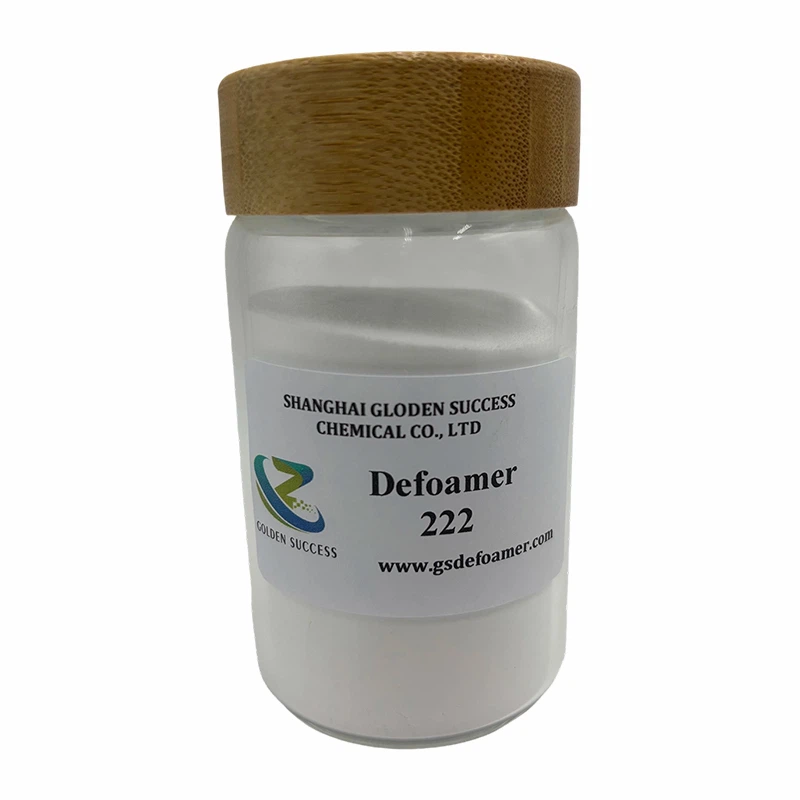
DEFOAMER 222
DEFOAMER 222 is an organic - based defoamer. Organic defoamers often contain natural or synthetic organic compounds. Some of these compounds can have a more noticeable odor. However, we've worked hard on the formulation of DEFOAMER 222 to keep the odor at a minimum. It's still very effective at controlling foam, but the odor is not overpowering. If you're okay with a slight odor as long as the defoaming performance is top - notch, this one might work for you.
DEFOAMER T5
DEFOAMER T5 is a mineral - oil - based defoamer. Mineral oil can sometimes have a bit of a petroleum - like odor. But again, through advanced refining and formulation techniques, we've managed to reduce the odor associated with DEFOAMER T5. It's a great choice for applications where you need a cost - effective and reliable defoamer, and you can tolerate a mild odor.
How to Deal with Odor in Defoamers
If you're using a defoamer that has an odor, there are a few things you can do. First of all, proper ventilation is key. Make sure your production area has enough air circulation to carry away any fumes. You can install exhaust fans or open windows if possible.
Another option is to dilute the defoamer. Sometimes, the odor can seem stronger when the defoamer is in its concentrated form. By diluting it according to the recommended ratios, you can reduce the intensity of the smell.

Also, storage matters. Keep your defoamers in a cool, dry place away from direct sunlight. This can prevent any chemical reactions that might exacerbate the odor.
Importance of Low - Odor Defoamers
There are several reasons why having low - odor defoamers can be beneficial. For one, it creates a better working environment for your employees. No one wants to work in a place with a strong, unpleasant smell. It can lead to discomfort and even health issues in the long run.
From a product quality perspective, low - odor defoamers are also important. If your paper products are going to be used in applications where odor is a concern, like food packaging or books that people will hold close to their noses while reading, using a low - odor defoamer ensures that the final product doesn't have an unwanted smell.
Making the Right Choice
When it comes to choosing a defoamer for your paper - coating process, odor is just one of the factors to consider. You also need to think about the defoaming performance, cost, and compatibility with your existing coating formulations.
If odor is a major concern for you, I'd recommend starting with a small sample of our low - odor defoamers like Defoamer 5388. Test it in your coating mixture and see how it performs in terms of both foam control and odor.
If you have any specific questions about our defoamers, or you're interested in discussing your paper - coating needs in more detail, don't hesitate to reach out. We're here to help you find the best solution for your production process. We've got a team of experts who can advise you on the right defoamer for your specific requirements.
In conclusion, whether defoamers for paper coating have an odor varies from product to product. But with the right choice and proper handling, you can minimize any odor - related issues and ensure a smooth and efficient paper - coating production.
If you're looking to source high - quality defoamers for your paper - coating operations and want to talk about options, get in touch. We're ready to have that conversation and help you make the best decision for your business.
References
- "Handbook of Paper Coating and Converting", edited by Peter Fink.
- "Foam Control in the Paper Industry", research report from a leading paper - technology institute.