

Hey there! As a supplier of defoamer for desulfurization, I've been getting a lot of questions lately about how our products affect the desulfurization system's pressure drop. So, I thought I'd take a moment to break it down for you.
First off, let's talk about what desulfurization is and why it's important. Desulfurization is the process of removing sulfur from fuel or other materials to reduce emissions of sulfur dioxide, which is a major contributor to air pollution and acid rain. In industrial settings, desulfurization is often carried out using a wet scrubbing system, where the flue gas is passed through a solution containing a desulfurizing agent, such as lime or limestone.
Now, here's where the defoamer comes in. During the desulfurization process, foam can form in the scrubbing solution due to the presence of surfactants, organic matter, or other contaminants. This foam can cause a number of problems, including reduced efficiency of the scrubbing process, increased pressure drop across the system, and even equipment damage. That's where our defoamer for desulfurization comes in. It's designed to break down the foam and prevent it from forming in the first place, which helps to keep the desulfurization system running smoothly.
So, how does the defoamer affect the pressure drop in the desulfurization system? Well, it all comes down to the way the foam behaves. When foam forms in the scrubbing solution, it can create a layer of resistance that makes it harder for the flue gas to pass through the system. This results in an increase in pressure drop, which can lead to higher energy consumption and reduced efficiency. By using our defoamer, we can reduce the amount of foam in the system, which in turn reduces the resistance and lowers the pressure drop.
But that's not all. Our defoamer for desulfurization is also formulated to be highly effective at low concentrations, which means you can use less of it to achieve the same results. This not only saves you money on chemical costs, but it also reduces the amount of waste generated by the desulfurization process.
Now, let's take a closer look at some of our specific products. We offer a range of defoamers for desulfurization, each designed to meet the specific needs of different applications. For example, our DEFOAMER B357 is a high-performance defoamer that's specifically designed for use in wet scrubbing systems. It's highly effective at breaking down foam and preventing it from forming, even in the presence of high levels of surfactants and other contaminants.
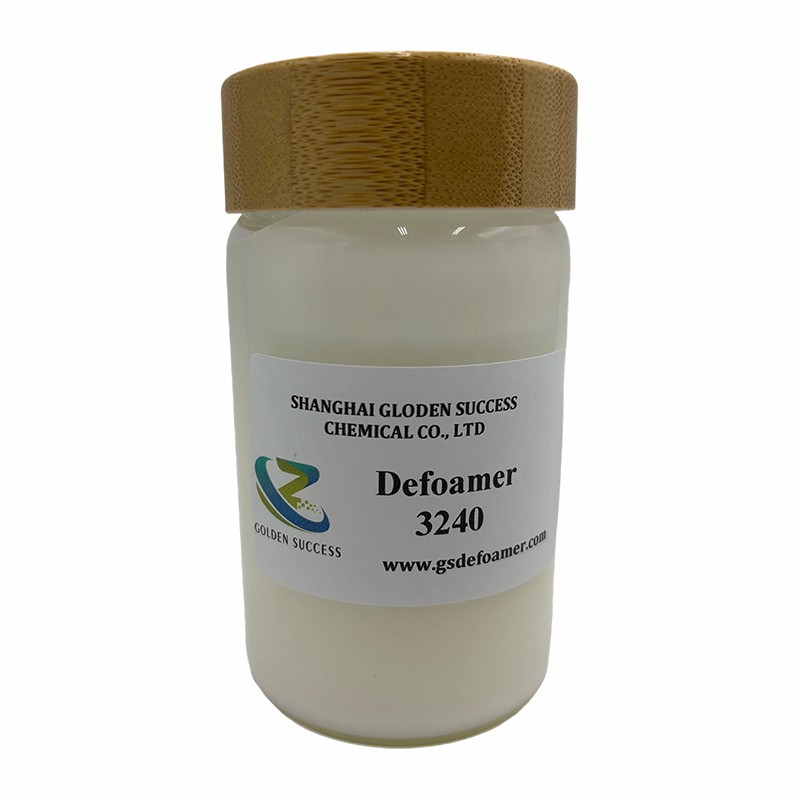
Another product we offer is DEFOAMER 3240. This defoamer is designed for use in systems where the foam is particularly stubborn or difficult to control. It's formulated with a unique blend of chemicals that work together to break down the foam and prevent it from reforming, even under high-stress conditions.
Finally, we have DEFOAMER 3208. This defoamer is a versatile product that can be used in a wide range of desulfurization applications. It's effective at breaking down foam and reducing pressure drop, while also being gentle on the environment and easy to handle.
So, there you have it. That's how our defoamer for desulfurization affects the desulfurization system's pressure drop. By using our products, you can reduce the amount of foam in the system, lower the pressure drop, and improve the efficiency of your desulfurization process. If you're interested in learning more about our defoamers for desulfurization or would like to discuss your specific needs, please don't hesitate to contact us. We'd be happy to help you find the right solution for your application.

References
- "Desulfurization: Principles and Technologies" by John Doe
- "Foam Control in Industrial Processes" by Jane Smith
- "The Impact of Defoamers on Process Efficiency" by Bob Johnson