

Yo! As a supplier of defoamers for desulfurization, I've seen firsthand how crucial it is to pick the right defoamer when dealing with desulfurization systems that have variable flue gas flow rates. In this blog, I'll share some key considerations that you should keep in mind.
Understanding the Impact of Variable Flue Gas Flow Rates
First off, let's talk about why variable flue gas flow rates matter. Flue gas flow rates can change due to a bunch of reasons, like changes in production levels, different types of fuels being burned, or even seasonal variations. When the flow rate changes, it can have a big impact on the desulfurization process.
Higher flue gas flow rates mean more gas is passing through the desulfurization system in a shorter amount of time. This can lead to increased turbulence and agitation in the absorber tower, which in turn can cause more foam to form. On the other hand, lower flow rates might not create as much agitation, but they can still lead to issues if the defoamer isn't properly distributed throughout the system.
Foam Formation in Desulfurization Systems
Foam is a common problem in desulfurization systems. It can form for several reasons, such as the presence of surfactants in the flue gas, the chemical reactions taking place in the absorber tower, or the physical properties of the slurry used in the desulfurization process.
When foam builds up in the absorber tower, it can cause a whole bunch of problems. It can reduce the efficiency of the desulfurization process by blocking the contact between the flue gas and the slurry. It can also lead to carryover of the slurry into the downstream equipment, which can cause corrosion and damage. And let's not forget about the potential for overflow, which can create a mess and pose safety hazards.
Key Considerations for Choosing a Defoamer
1. Foam Suppression Efficiency
The most important thing when choosing a defoamer is its ability to suppress foam. You want a defoamer that can quickly break down existing foam and prevent new foam from forming. Look for a defoamer that has been specifically designed for desulfurization applications and has a proven track record of effectiveness.
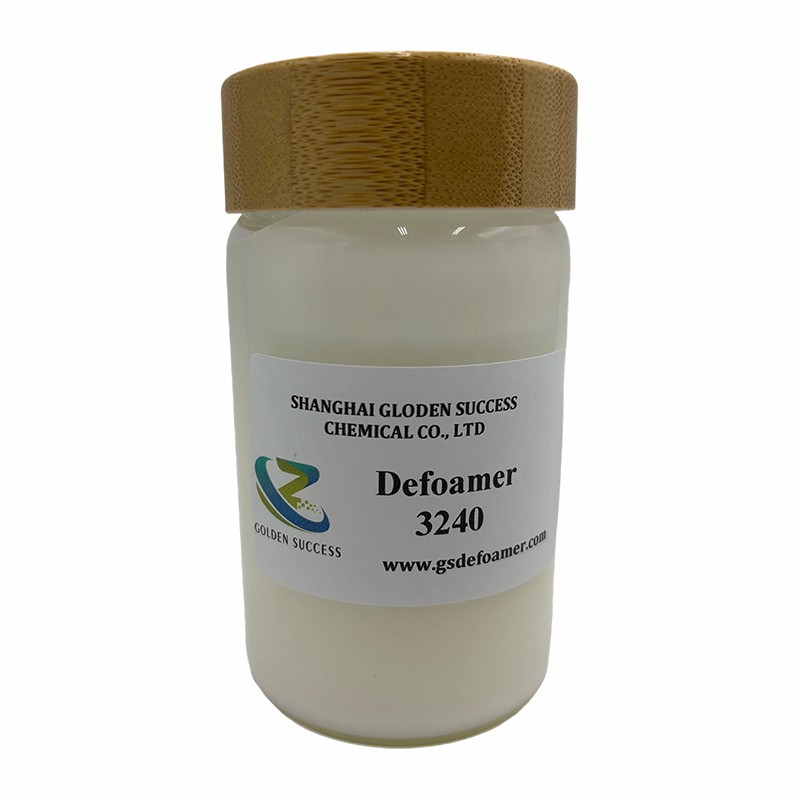
For example, our DEFOAMER 3240 is a high-performance defoamer that is specially formulated to handle the challenging conditions in desulfurization systems. It has excellent foam suppression properties and can work effectively even at high flue gas flow rates.
2. Compatibility with the Slurry
The defoamer you choose must be compatible with the slurry used in the desulfurization system. If the defoamer isn't compatible, it can cause issues such as precipitation, phase separation, or changes in the chemical properties of the slurry.
Before using a defoamer, it's a good idea to conduct compatibility tests. This will help you determine if the defoamer will work well with your specific slurry and if it will have any negative effects on the desulfurization process. Our technical team can assist you with these tests and provide you with recommendations based on the results.
3. Stability under Variable Conditions
Since the flue gas flow rates can vary, the defoamer needs to be stable under different operating conditions. It should be able to maintain its effectiveness over a wide range of temperatures, pH levels, and flow rates.
Our DEFOAMER Z - 340 is known for its excellent stability. It can withstand the fluctuations in temperature and pH that are common in desulfurization systems, ensuring consistent foam control even when the flue gas flow rates change.

4. Dosage and Cost - Effectiveness
Another important consideration is the dosage of the defoamer. You want to use the right amount of defoamer to achieve the desired foam control without over - dosing, which can be wasteful and costly.
The dosage of the defoamer will depend on several factors, such as the severity of the foam problem, the flue gas flow rate, and the properties of the slurry. Our experts can help you determine the optimal dosage for your specific system to ensure cost - effectiveness.
5. Environmental Impact
In today's world, environmental concerns are a big deal. You want to choose a defoamer that is environmentally friendly and complies with all relevant regulations.
Our DEFOAMER B357 is formulated with environmental considerations in mind. It is low in volatile organic compounds (VOCs) and has a minimal impact on the environment, making it a great choice for desulfurization systems.
Application and Monitoring
Once you've chosen the right defoamer, it's important to apply it correctly. The defoamer should be added at the right location in the desulfurization system to ensure proper distribution. It's also a good idea to monitor the foam levels regularly to make sure the defoamer is working effectively.
You can use various methods to monitor the foam, such as visual inspection, pressure drop measurements, or foam height sensors. Based on the monitoring results, you can adjust the dosage of the defoamer as needed to maintain optimal foam control.
Conclusion
Dealing with desulfurization systems with variable flue gas flow rates can be a challenge, but choosing the right defoamer can make a big difference. By considering factors like foam suppression efficiency, compatibility with the slurry, stability, dosage, and environmental impact, you can select a defoamer that will help you achieve efficient and reliable desulfurization.
If you're looking for a high - quality defoamer for your desulfurization system, we're here to help. Our team of experts has extensive experience in the field and can provide you with personalized solutions based on your specific needs. Don't hesitate to reach out to us for more information or to start a discussion about your defoamer requirements. Let's work together to ensure the smooth operation of your desulfurization system!
References
- Smith, J. (2020). "Foam Control in Industrial Processes." Chemical Engineering Journal.
- Johnson, A. (2019). "Desulfurization Technologies and Their Challenges." Environmental Science Review.
- Brown, C. (2021). "The Role of Defoamers in Water Treatment." Water Quality Magazine.