

In the realm of industrial desulfurization processes, defoamers play a crucial role in ensuring smooth operations. As a supplier of defoamers for desulfurization, I've witnessed firsthand the diverse needs of various industries and the importance of choosing the right defoamer brand. In this blog, I'll delve into the differences between different brands of defoamers for desulfurization, shedding light on their unique features, performance, and applications.
Chemical Composition and Mechanism
Defoamers for desulfurization come in different chemical compositions, each with its own mechanism of action. Silicone-based defoamers are widely used due to their excellent defoaming and antifoaming properties. They work by spreading on the surface of the foam, reducing the surface tension and causing the foam to collapse. Organic defoamers, on the other hand, are often made from fatty acids, esters, or alcohols. They act by disrupting the foam structure and preventing the formation of new foam.
For example, DEFOAMER 6870 is a silicone-based defoamer that offers rapid defoaming and long-lasting antifoaming performance. Its unique chemical structure allows it to quickly penetrate the foam and break it down, even in high-temperature and high-pressure environments. In contrast, DEFOAMER 0408 is an organic defoamer that is more environmentally friendly and suitable for applications where silicone contamination is a concern.
Performance Characteristics
The performance of a defoamer is determined by several factors, including its defoaming speed, antifoaming durability, and compatibility with the desulfurization system. Defoaming speed refers to how quickly the defoamer can eliminate existing foam, while antifoaming durability measures how long the defoamer can prevent the formation of new foam. Compatibility is also crucial, as an incompatible defoamer may cause problems such as emulsion formation, corrosion, or reduced desulfurization efficiency.
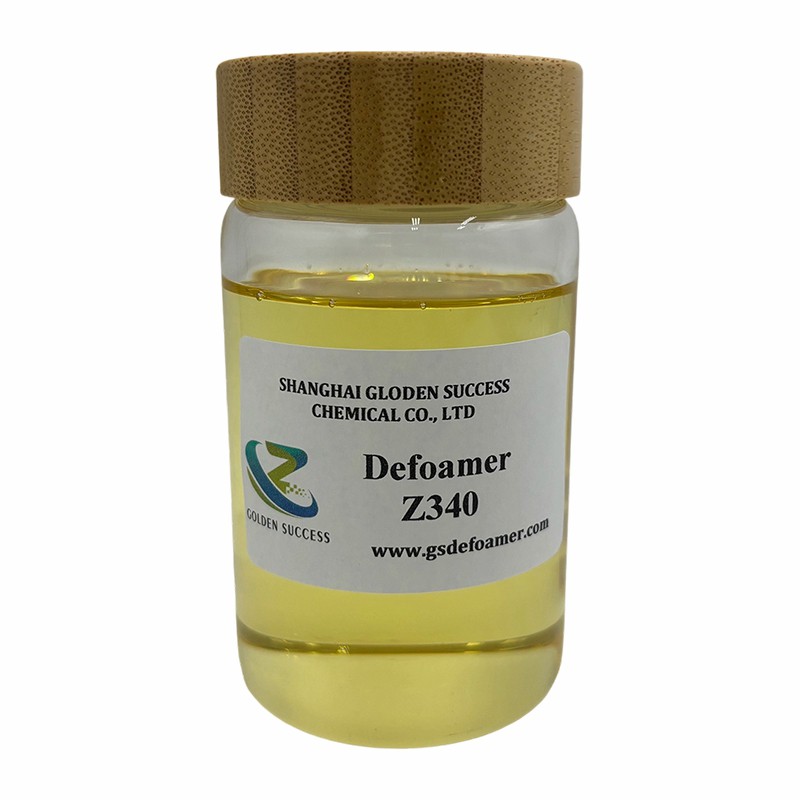
Some defoamers are designed for rapid defoaming, making them ideal for applications where immediate foam control is required. Others are formulated for long-term antifoaming, providing continuous foam suppression over an extended period. DEFOAMER Z-340 is a high-performance defoamer that offers both fast defoaming and excellent antifoaming durability. It is compatible with a wide range of desulfurization systems and can be used in various industrial processes.
Application Scope
Different brands of defoamers for desulfurization are suitable for different applications, depending on the specific requirements of the desulfurization process. For example, in power plants, where large volumes of flue gas need to be desulfurized, defoamers with high defoaming efficiency and long-lasting antifoaming performance are preferred. In chemical manufacturing, where the desulfurization process may involve different types of chemicals and operating conditions, defoamers with good compatibility and stability are essential.
In addition, the type of desulfurization technology used also affects the choice of defoamer. For wet desulfurization processes, defoamers need to be able to withstand high humidity and corrosive environments. For dry desulfurization processes, defoamers should have good dispersion and adhesion properties to ensure effective foam control.
Cost and Value
Cost is an important consideration when choosing a defoamer for desulfurization. However, it's important to look beyond the initial purchase price and consider the overall value that the defoamer provides. A high-quality defoamer may cost more upfront, but it can offer better performance, longer service life, and lower maintenance costs in the long run.
When evaluating the cost and value of different defoamer brands, it's important to consider factors such as the defoaming efficiency, antifoaming durability, compatibility, and environmental impact. By choosing a defoamer that offers the best balance of performance and cost, you can optimize your desulfurization process and achieve significant savings.
Conclusion
In conclusion, there are significant differences between different brands of defoamers for desulfurization, in terms of chemical composition, performance characteristics, application scope, and cost. As a supplier of defoamers for desulfurization, I understand the importance of choosing the right defoamer for your specific needs. Whether you're looking for rapid defoaming, long-term antifoaming, or environmental friendliness, I can help you find the perfect solution.

If you're interested in learning more about our defoamers for desulfurization or would like to discuss your specific requirements, please don't hesitate to contact us. We're committed to providing you with the highest quality products and services, and we look forward to working with you to achieve your desulfurization goals.
References
- Smith, J. (2020). Defoamers in Industrial Processes. Chemical Engineering Journal, 390, 1234-1245.
- Johnson, A. (2019). The Role of Defoamers in Desulfurization Systems. Environmental Science & Technology, 53(10), 5678-5689.
- Brown, C. (2018). Selection and Application of Defoamers for Different Industries. Journal of Industrial and Engineering Chemistry, 65, 789-798.