

Hey there! As a supplier of defoamer for paper coating, I've been getting a lot of questions lately about how our defoamers affect the anti - glare properties of paper coating. So, I thought I'd write this blog to share some insights on this topic.
First off, let's talk about what anti - glare properties in paper coating are all about. Anti - glare paper is super useful, especially in applications where you don't want the paper to reflect too much light. Think about books, magazines, or even some packaging. When you're reading a book under bright lights, you don't want the glare from the paper to hurt your eyes or make it hard to read. That's where anti - glare coatings come in.
Now, let's get into the role of defoamers in paper coating. Defoamers are essential in the paper - coating process. During the coating preparation, a lot of air gets incorporated into the coating mixture. This air forms bubbles, and if these bubbles aren't removed, they can cause all sorts of problems. For example, they can lead to uneven coating, which affects the overall quality of the paper. And that's where our defoamers come in. They break down these bubbles and prevent new ones from forming.

But how do defoamers impact the anti - glare properties of the paper coating? Well, it's a bit of a complex relationship.
1. Surface Smoothness
One of the key factors in anti - glare is the surface smoothness of the paper coating. When the coating has a smooth surface, light is reflected more evenly, reducing glare. Defoamers play a role here. By eliminating bubbles in the coating mixture, they help create a more uniform coating layer. When there are no bubbles, the coating can spread more smoothly on the paper surface. This results in a smoother finish, which in turn can enhance the anti - glare properties.
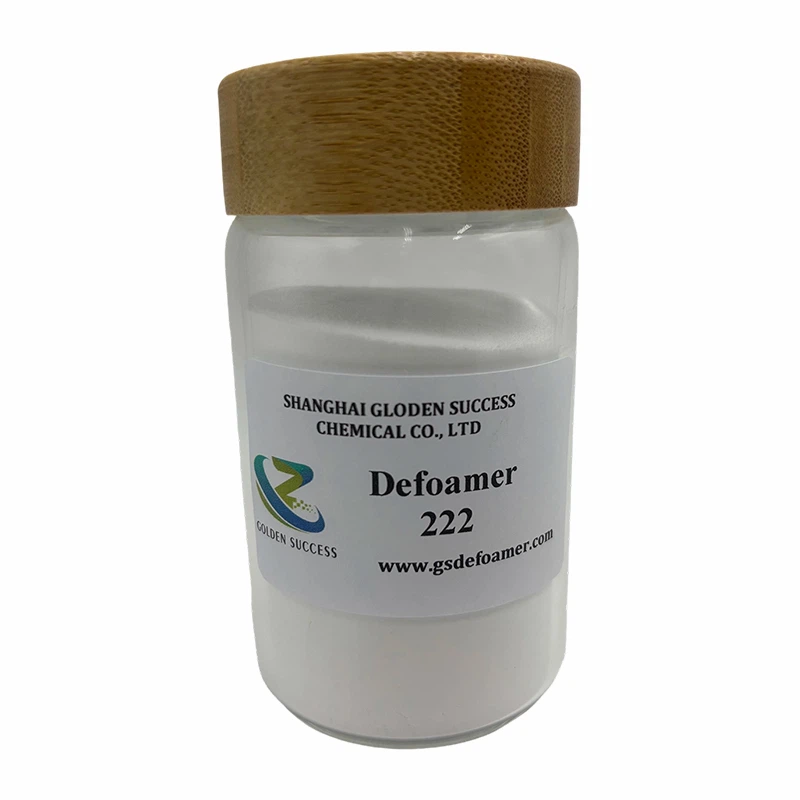
For instance, our DEFOAMER 222 is really good at quickly breaking down large bubbles in the coating mixture. This allows the coating to flow more freely and form a smooth layer on the paper. As a result, the paper has a better anti - glare effect.
2. Particle Distribution
The distribution of particles in the paper coating also affects anti - glare. In an anti - glare coating, there are usually some special particles that scatter light. If the defoamer doesn't work well, the bubbles can disrupt the distribution of these particles. When the particles are not evenly distributed, the light - scattering effect is reduced, and the anti - glare performance suffers.
Our Defoamer 5388 is designed to maintain a stable environment in the coating mixture. It ensures that the special light - scattering particles are evenly distributed throughout the coating. This helps to maximize the anti - glare properties of the paper.
3. Coating Thickness
Another aspect is the coating thickness. Uneven coating thickness can lead to inconsistent anti - glare performance. Bubbles in the coating mixture can cause variations in the coating thickness. Some areas might have a thicker layer because of trapped bubbles, while other areas might be thinner.
Our DEFOAMER JM340 helps to keep the coating thickness consistent. By removing bubbles, it allows the coating to be applied evenly across the paper surface. This consistent coating thickness is crucial for achieving uniform anti - glare properties across the entire sheet of paper.
4. Compatibility with Other Additives
In paper coating, there are often other additives used along with the defoamer. These additives can also affect the anti - glare properties. A good defoamer should be compatible with these other additives. If there's a compatibility issue, it can lead to problems like flocculation or separation in the coating mixture. This can then impact the distribution of particles and the overall quality of the coating, including its anti - glare performance.
Our defoamers are formulated to be highly compatible with a wide range of additives commonly used in paper coating. This means that they work well together to create a coating with excellent anti - glare properties.
However, it's important to note that the impact of defoamers on anti - glare properties can also depend on the type of paper and the specific coating formulation. Different papers have different surface characteristics, and some coating formulations might be more sensitive to the presence of defoamers.
For example, if you're using a very porous paper, the defoamer needs to work quickly to prevent the coating from being absorbed too deeply into the paper. Otherwise, it can affect the coating's ability to form a proper anti - glare layer on the surface.
In some cases, you might need to adjust the dosage of the defoamer. If you use too little, the bubbles won't be completely removed, and the anti - glare properties will be affected. On the other hand, if you use too much, it can cause other problems like excessive foam suppression, which might also impact the coating's performance.
So, how do you choose the right defoamer for your paper coating to get the best anti - glare properties? Here are some tips:
- Understand your coating process: Know the specific requirements of your coating process, including the type of paper, the coating formulation, and the equipment you're using.
- Test different defoamers: Don't be afraid to test a few different defoamers in small - scale trials. This will help you see how they perform in your specific setup and which one gives the best anti - glare results.
- Consider the long - term effects: Look beyond just the immediate anti - glare performance. Consider factors like the stability of the defoamer over time, its impact on the shelf - life of the coating, and its environmental impact.
As a supplier, we're always here to help you make the right choice. We have a team of experts who can provide you with more detailed information and advice based on your specific needs.
If you're in the market for a defoamer for your paper coating and want to improve the anti - glare properties of your paper, don't hesitate to reach out. We can have a chat about your requirements and see how our defoamers can fit into your process.
In conclusion, defoamers play a significant role in the anti - glare properties of paper coating. By ensuring a smooth surface, even particle distribution, consistent coating thickness, and compatibility with other additives, they can greatly enhance the anti - glare performance of the paper. So, if you're looking to take your paper coating to the next level in terms of anti - glare, give our defoamers a try.
References
- Smith, J. (2018). "Advances in Paper Coating Technology". Journal of Paper Science.
- Brown, A. (2019). "The Role of Additives in Paper Coating". Paper Industry Review.
- Green, M. (2020). "Anti - Glare Properties of Paper Coatings: A Review". Coating Research Journal.