

Hey there! As a supplier of defoamers for desulfurization, I often get asked about the international standards for these products. So, I thought I'd take a moment to break it down for you.
What is Desulfurization and Why Do We Need Defoamers?
First off, let's talk about desulfurization. It's a crucial process in many industries, especially in power plants and refineries. The goal is to remove sulfur compounds from fuels and waste gases. Why? Well, sulfur emissions can cause a whole bunch of environmental problems, like acid rain and air pollution.

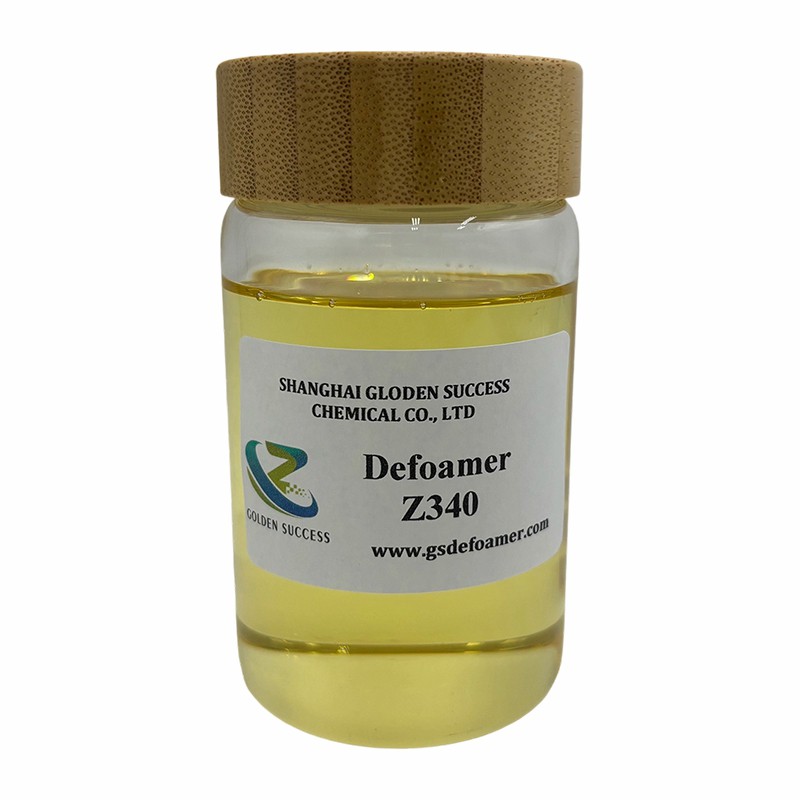
During the desulfurization process, foaming can be a real headache. Foam can reduce the efficiency of the desulfurization equipment, increase energy consumption, and even cause operational issues. That's where defoamers come in. They help to break down the foam and keep the process running smoothly.
International Standards for Desulfurization Defoamers
Now, let's get into the international standards. There isn't a single, unified standard that every country follows, but there are some common criteria that most defoamers for desulfurization need to meet.
Chemical Composition
The chemical composition of a defoamer is super important. It needs to be specifically formulated to work in the harsh conditions of a desulfurization system. Most desulfurization defoamers are based on silicone, polyether, or mineral oil.
Silicone-based defoamers are popular because they're highly effective at breaking down foam and have good chemical stability. They can withstand high temperatures and are resistant to chemical attack. Polyether defoamers, on the other hand, are more environmentally friendly and have good compatibility with other chemicals in the desulfurization system. Mineral oil defoamers are often used for their low cost and good defoaming performance.
Defoaming Performance
The main job of a defoamer is to break down foam, so its defoaming performance is a key factor. International standards usually require that a defoamer can quickly reduce the foam volume and prevent foam from reforming for a certain period of time.
There are several ways to measure defoaming performance. One common method is the Ross-Miles foam test. In this test, a solution of the defoamer is poured through a standard orifice onto a surface, and the height of the foam is measured over time. A good defoamer should cause the foam height to drop rapidly.
Compatibility
A defoamer also needs to be compatible with the other chemicals and materials in the desulfurization system. It shouldn't react with the desulfurization agent or cause any damage to the equipment. Compatibility tests are usually carried out to ensure that the defoamer doesn't cause any problems.
Environmental Impact
In today's world, environmental impact is a major concern. International standards often require that defoamers for desulfurization are low in toxicity and biodegradable. This helps to minimize the impact on the environment.
Our Defoamer Products
As a supplier, we offer a range of high-quality defoamers for desulfurization. Here are some of our popular products:
- DEFOAMER B357: This is a silicone-based defoamer that's highly effective at breaking down foam in desulfurization systems. It has good chemical stability and can withstand high temperatures.
- DEFOAMER 0408: Our polyether defoamer is environmentally friendly and has excellent compatibility with other chemicals in the desulfurization system. It provides long-lasting defoaming performance.
- DEFOAMER Z-340: This mineral oil defoamer is a cost-effective option that still offers good defoaming performance. It's suitable for a wide range of desulfurization applications.
Why Choose Our Defoamers?
- Quality Assurance: Our defoamers are manufactured to meet the highest international standards. We use strict quality control measures to ensure that every batch of product is consistent and reliable.
- Technical Support: We have a team of experts who can provide technical support and advice. Whether you have questions about product selection or application, we're here to help.
- Customization: We understand that every desulfurization system is unique. That's why we offer customized defoamer solutions to meet your specific needs.
Contact Us for Procurement
If you're in the market for a defoamer for desulfurization, we'd love to hear from you. Our products are designed to meet the international standards and provide excellent performance. Whether you're a power plant, a refinery, or any other industry that requires desulfurization, we can help you find the right defoamer for your needs.
Don't hesitate to reach out to us for more information or to discuss your procurement requirements. We're committed to providing you with the best products and services.
References
- ASTM International. (Year). Standard test methods for foam properties of detergents. ASTM D1173 - 07(2017).
- ISO. (Year). International standards related to chemical products for industrial use. ISO [number].
- Industry reports on desulfurization processes and defoamer applications.