

In the realm of industrial desulfurization processes, the presence of foam can pose significant challenges, leading to reduced efficiency, increased operating costs, and potential equipment damage. Defoamers play a crucial role in mitigating these issues by suppressing and eliminating foam formation. As a leading supplier of defoamers for desulfurization, we understand the importance of selecting the right defoamer with the appropriate key performance indicators (KPIs) to ensure optimal performance. In this blog post, we will explore the key performance indicators of a defoamer for desulfurization and how they impact the overall desulfurization process.
1. Foam Suppression Efficiency
One of the primary performance indicators of a defoamer is its ability to suppress foam formation effectively. In desulfurization processes, foam can be generated due to various factors, such as the presence of surfactants, gas sparging, and chemical reactions. A high - efficiency defoamer should be able to quickly break down existing foam and prevent new foam from forming.
The foam suppression efficiency can be measured through laboratory tests, such as the Ross - Miles foam test or the dynamic foam test. In these tests, a sample of the desulfurization solution is agitated, and the height of the foam is measured over a specific period. A good defoamer will cause a significant reduction in foam height within a short time. For example, our DEFOAMER 0408 has been proven to reduce foam height by up to 80% within 5 minutes of application in typical desulfurization solutions.
2. Long - Term Stability
Desulfurization processes often operate continuously for extended periods. Therefore, a defoamer needs to maintain its performance over time. Long - term stability is crucial to ensure that the defoamer remains effective throughout the entire desulfurization cycle.
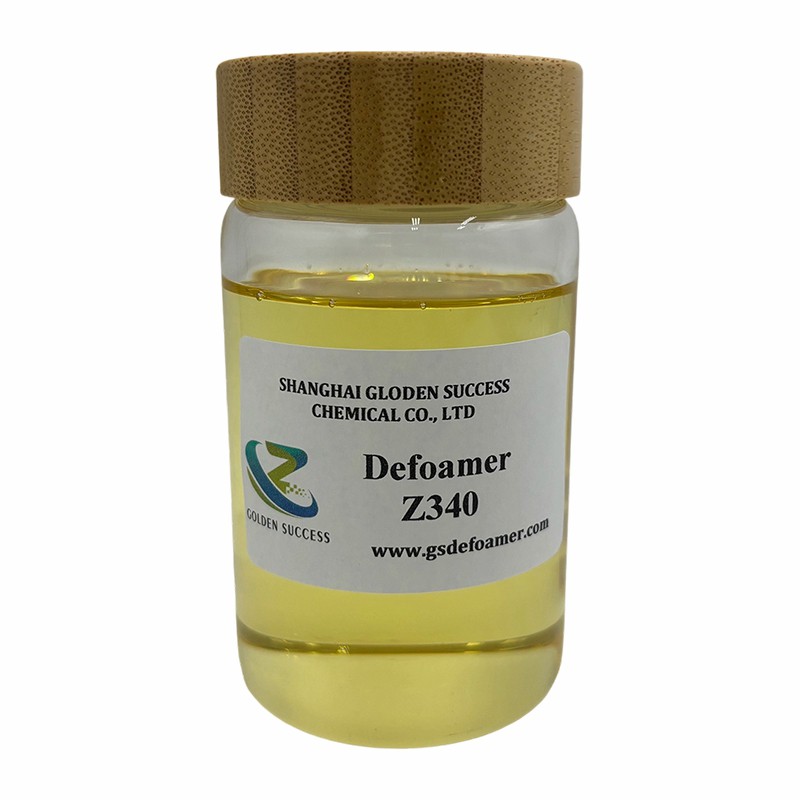
Factors that can affect the long - term stability of a defoamer include temperature, pH, and the presence of other chemicals in the desulfurization solution. A stable defoamer should not degrade or separate under these conditions. Our DEFOAMER Z - 340 is formulated to be highly stable in a wide range of temperatures (from 20°C to 80°C) and pH values (from 4 to 10). This ensures that it can provide consistent foam control in various desulfurization environments.

3. Compatibility with Desulfurization Systems
A defoamer must be compatible with the desulfurization system in which it is used. This includes compatibility with the desulfurization agents, absorbents, and other chemicals present in the solution. Incompatible defoamers can cause problems such as precipitation, emulsion formation, or reduced desulfurization efficiency.
Before using a defoamer, it is essential to conduct compatibility tests. These tests involve mixing the defoamer with the desulfurization solution and observing for any signs of incompatibility, such as cloudiness, sedimentation, or changes in chemical properties. Our defoamers are carefully formulated to be compatible with a variety of desulfurization systems, including limestone - gypsum, ammonia - based, and seawater desulfurization systems.
4. Low Dosage Requirement
Using a defoamer at a low dosage is beneficial for several reasons. Firstly, it reduces the cost of the defoaming process. Secondly, it minimizes the introduction of additional chemicals into the desulfurization system, which can have a positive impact on the overall environmental footprint.
A high - quality defoamer should be able to achieve effective foam control at a low dosage. For instance, our DEFOAMER 6870 can be used at a dosage as low as 50 - 100 ppm (parts per million) in many desulfurization applications, which is significantly lower than some of the competing products on the market.
5. Environmental Friendliness
In today's environmentally conscious world, the environmental impact of industrial chemicals is a major concern. A defoamer for desulfurization should be environmentally friendly, meaning it should have low toxicity, biodegradability, and minimal impact on the ecosystem.
Our defoamers are formulated to meet strict environmental standards. They are non - toxic, biodegradable, and do not contain harmful substances such as heavy metals or volatile organic compounds (VOCs). This ensures that they can be used safely in desulfurization processes without causing harm to the environment.
6. Cost - Effectiveness
Cost - effectiveness is an important consideration for any industrial process. A defoamer should provide good performance at a reasonable cost. When evaluating the cost - effectiveness of a defoamer, it is necessary to consider not only the purchase price but also the dosage requirement, long - term stability, and the impact on the overall desulfurization process.
Our defoamers offer excellent cost - effectiveness. Their low dosage requirement, long - term stability, and high performance ensure that they can provide significant savings in the desulfurization process. By choosing our defoamers, customers can achieve optimal foam control while keeping their operating costs in check.
How to Select the Right Defoamer
Selecting the right defoamer for desulfurization requires a comprehensive understanding of the specific requirements of the desulfurization process. Here are some steps to help you make the right choice:
- Understand the process conditions: Determine the temperature, pH, and chemical composition of the desulfurization solution. This will help you select a defoamer that is compatible and stable under these conditions.
- Conduct performance tests: Test different defoamers in the laboratory to evaluate their foam suppression efficiency, long - term stability, and compatibility.
- Consider the cost - effectiveness: Compare the prices and performance of different defoamers to find the one that offers the best value for money.
As a supplier of defoamers for desulfurization, we are committed to providing high - quality products that meet the diverse needs of our customers. Our team of experts can assist you in selecting the right defoamer for your specific desulfurization process. If you are interested in learning more about our defoamers or would like to discuss your requirements, please feel free to contact us for a consultation. We look forward to partnering with you to achieve efficient and cost - effective desulfurization.
References
- ASTM International. (2018). Standard Test Method for Foaming Properties of Surface - Active Agents. ASTM D1173 - 18.
- Garrett, P. R. (1993). Defoaming: Theory and Industrial Applications. Marcel Dekker.
- Paul, E. L., & Muzzio, F. J. (2004). Handbook of Industrial Mixing: Science and Practice. John Wiley & Sons.