

In the pulp and paper industry, defoamers play a crucial role in ensuring smooth and efficient production processes. As a supplier of defoamers for pulp, I understand the importance of maintaining high - quality standards for these products. In this blog, I will discuss the key quality standards for defoamers used in the pulp industry.
1. Defoaming Efficiency
The primary function of a defoamer is to eliminate or reduce foam in the pulp system. High - quality defoamers should have excellent defoaming efficiency. This means they can quickly break down existing foam and prevent new foam from forming.
In the pulp production process, foam can be generated due to various factors such as mechanical agitation, the presence of surfactants in the pulp, and the release of air during chemical reactions. A good defoamer should be able to counteract these foam - generating mechanisms effectively. For example, in a large - scale pulp mill, where the pulp is constantly being agitated during the refining process, a defoamer with high defoaming efficiency can significantly reduce the foam level, allowing for better control of the production process.
We offer several defoamers with outstanding defoaming efficiency, such as DEFOAMER 870. This product has been specifically formulated to work in high - shear pulp environments, rapidly eliminating foam and maintaining a low - foam production environment.
2. Compatibility with Pulp and Chemicals
Defoamers must be compatible with the pulp and other chemicals used in the pulp production process. Incompatibility can lead to a variety of problems, including the formation of precipitates, reduced effectiveness of the defoamer, and potential damage to the pulp quality.
Pulp is a complex mixture of fibers, water, and various chemicals. Different types of pulp, such as mechanical pulp, chemical pulp, and recycled pulp, have different chemical compositions and physical properties. A quality defoamer should be able to work well with all types of pulp without causing any adverse effects.
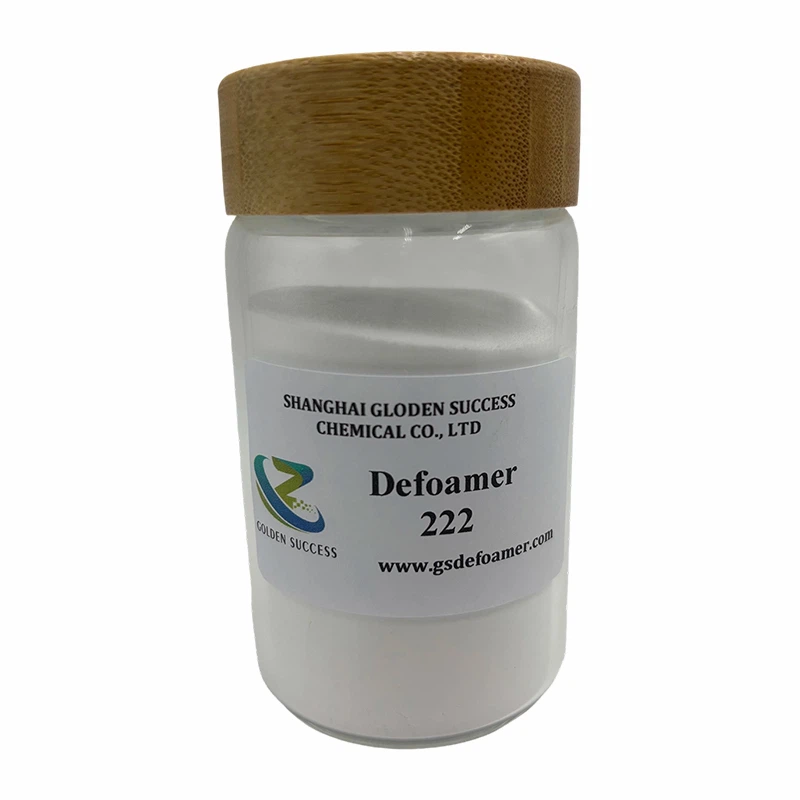
Moreover, in the pulp production process, various chemicals are added for different purposes, such as bleaching agents, sizing agents, and retention aids. A good defoamer should not react negatively with these chemicals. Our DEFOAMER 222 is designed to be highly compatible with a wide range of pulp types and chemicals, ensuring that it can be used safely and effectively in different pulp production scenarios.
3. Stability
Stability is another important quality standard for defoamers. A stable defoamer maintains its performance over time and under different storage and operating conditions.
During storage, defoamers may be exposed to different temperatures and humidity levels. A high - quality defoamer should not separate, settle, or degrade under these conditions. In the pulp production process, the temperature and pH of the pulp can also vary. A stable defoamer should be able to maintain its defoaming ability regardless of these variations.
Our DEFOAMER JM340 is known for its excellent stability. It can withstand a wide range of temperatures and pH values, ensuring consistent performance in the pulp production process.
4. Environmental Friendliness
In today's environmentally - conscious world, the environmental impact of defoamers is an important consideration. Quality defoamers should be environmentally friendly, which means they should be biodegradable, non - toxic, and have a low impact on the environment.
The pulp and paper industry is under increasing pressure to reduce its environmental footprint. Using environmentally friendly defoamers can help mills meet environmental regulations and improve their corporate social responsibility. Our defoamers are formulated with eco - friendly ingredients, minimizing their impact on water quality and the surrounding ecosystem.
5. Cost - effectiveness
Cost - effectiveness is a practical quality standard for defoamers. Pulp mills are always looking for ways to reduce production costs while maintaining product quality. A good defoamer should provide excellent performance at a reasonable cost.
When evaluating the cost - effectiveness of a defoamer, it is important to consider not only the purchase price but also the dosage required and the overall impact on the production process. A defoamer that requires a high dosage may seem cheaper initially but can end up being more expensive in the long run. Our defoamers are designed to provide optimal performance at a competitive price, helping pulp mills to achieve cost savings without sacrificing quality.
6. Ease of Use
Defoamers should be easy to use in the pulp production process. This includes factors such as ease of handling, mixing, and dosing.
A defoamer that is difficult to handle or mix can cause problems in the production process, leading to inconsistent performance and potential downtime. Our defoamers are designed to be easy to handle, with good solubility and dispersibility in water. They can be easily added to the pulp system using standard dosing equipment, ensuring a smooth and efficient production process.

7. Quality Control and Testing
To ensure that our defoamers meet the high - quality standards mentioned above, we have a strict quality control and testing process.
We conduct a series of tests on our defoamers, including defoaming efficiency tests, compatibility tests, stability tests, and environmental impact tests. These tests are carried out in our state - of - the - art laboratories using advanced equipment and techniques. Only defoamers that pass all the tests are released to the market.
In conclusion, the quality standards for defoamers for pulp are multi - faceted, covering aspects such as defoaming efficiency, compatibility, stability, environmental friendliness, cost - effectiveness, ease of use, and quality control. As a supplier of defoamers for pulp, we are committed to providing products that meet these high - quality standards.
If you are in the pulp and paper industry and are looking for high - quality defoamers, we would be more than happy to discuss your specific needs. Our team of experts can provide you with detailed information about our products and help you choose the most suitable defoamer for your production process. Contact us today to start a procurement discussion and take your pulp production to the next level.
References
- "Handbook of Pulp and Paper Technology", John Wiley & Sons, Inc.
- "Environmental Aspects of the Pulp and Paper Industry", Springer.
- Industry reports on defoamer technology and application in the pulp and paper industry.