

What are the storage conditions for defoamer for desulfurization in winter?
As a supplier of defoamers for desulfurization, I understand the critical importance of proper storage conditions, especially during the winter months. Defoamers play a vital role in the desulfurization process, helping to control foam and ensure the efficient operation of industrial systems. In this blog, I will discuss the specific storage conditions required for defoamers for desulfurization in winter, based on scientific knowledge and practical experience.
Understanding the properties of defoamers for desulfurization
Before delving into the storage conditions, it is essential to understand the properties of defoamers for desulfurization. These defoamers are typically formulated to be effective in high - temperature and high - chemical environments, which are common in desulfurization processes. They are often based on silicone, mineral oil, or other specialized chemical compounds.
Silicone - based defoamers are popular due to their excellent foam - breaking ability and high temperature resistance. Mineral oil - based defoamers, on the other hand, are more cost - effective and can also provide good defoaming performance. However, both types of defoamers can be affected by low temperatures, which can change their physical and chemical properties.
Temperature considerations
One of the most critical factors in storing defoamers for desulfurization in winter is temperature. Low temperatures can cause the defoamer to thicken, solidify, or separate, which can significantly reduce its effectiveness.
Most defoamers for desulfurization have a recommended storage temperature range. Generally, the ideal storage temperature is between 5°C and 35°C. In winter, when the ambient temperature can drop well below this range, it is necessary to take measures to maintain the appropriate temperature.
If the defoamer is stored in an unheated warehouse or outdoor storage area, it is at risk of freezing. Freezing can cause the defoamer to expand, which may damage the storage container. Moreover, once the defoamer thaws, it may not return to its original homogeneous state, leading to inconsistent performance.

To prevent freezing, the storage area should be heated. If heating the entire warehouse is not feasible, insulated storage containers or heating blankets can be used to keep the defoamer at a suitable temperature. Additionally, it is advisable to monitor the temperature regularly using a thermometer to ensure that it remains within the recommended range.
Humidity control
Humidity is another important factor to consider when storing defoamers for desulfurization in winter. High humidity can cause moisture to condense on the surface of the defoamer or inside the storage container. This moisture can react with the defoamer components, leading to chemical degradation and reduced performance.
To control humidity, the storage area should be well - ventilated. Ventilation helps to remove excess moisture from the air. Dehumidifiers can also be used in areas with high humidity levels. It is also important to keep the storage containers tightly sealed to prevent moisture from entering.
Protection from sunlight and other environmental factors
In winter, although sunlight may be less intense, it can still have an impact on the defoamer. Ultraviolet (UV) rays from the sun can cause the defoamer to degrade over time. Therefore, the storage area should be shielded from direct sunlight. This can be achieved by storing the defoamer in a shaded area or using opaque storage containers.
In addition to sunlight, other environmental factors such as dust, dirt, and chemicals should be kept away from the defoamer. Dust and dirt can contaminate the defoamer, while exposure to other chemicals can cause chemical reactions that may alter its properties.
Storage container requirements
The choice of storage container is also crucial for proper storage of defoamers for desulfurization in winter. The container should be made of a material that is compatible with the defoamer. For example, if the defoamer is silicone - based, the container should be made of a material that does not react with silicone, such as high - density polyethylene (HDPE).
The container should also be able to withstand low temperatures without cracking or leaking. Insulated containers are preferred in winter as they can help to maintain a more stable temperature inside. Additionally, the container should have a tight - fitting lid to prevent air, moisture, and contaminants from entering.
Monitoring and quality control
Regular monitoring of the stored defoamer is essential to ensure its quality. This includes visual inspections for signs of thickening, separation, or discoloration. If any of these signs are observed, the defoamer should be tested to determine its effectiveness.
Quality control tests can include foam - breaking tests, viscosity measurements, and chemical analysis. These tests can help to identify any changes in the defoamer's properties and determine whether it is still suitable for use.
Recommended defoamers for desulfurization
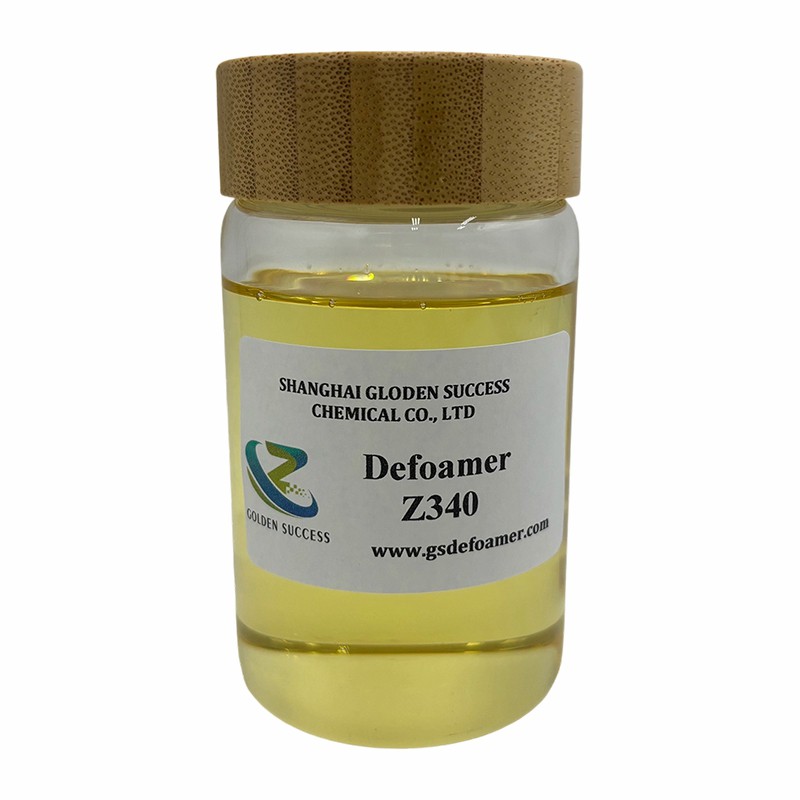
As a supplier, I offer a range of high - quality defoamers for desulfurization, such as DEFOAMER 3240, DEFOAMER B357, and DEFOAMER Z - 340. These defoamers are formulated to provide excellent defoaming performance in desulfurization processes and are designed to be stable under a wide range of conditions. However, proper storage is still necessary to ensure their long - term effectiveness, especially in winter.
Conclusion
Proper storage of defoamers for desulfurization in winter is crucial to maintain their quality and effectiveness. By controlling temperature, humidity, and protecting the defoamer from sunlight and other environmental factors, and using appropriate storage containers, the risk of degradation can be minimized.
If you are in need of high - quality defoamers for desulfurization and have questions about storage or other aspects, please feel free to contact us for more information and to discuss your specific requirements. We are committed to providing you with the best products and solutions for your desulfurization needs.
References
- Industrial Defoamer Handbook. [Publisher name, Publication year]
- Journal of Chemical Engineering: Studies on Defoamer Stability in Different Environments. [Volume number, Issue number, Publication year]