

Hey there! As a supplier of defoamers for desulfurization, I've seen firsthand the importance of these little miracle workers in the desulfurization process. So, let's dive into what the function of a defoamer for desulfurization actually is.
The Basics of Desulfurization
Before we get into the defoamers, let's quickly talk about desulfurization. It's a process used in a bunch of industries, like power generation and chemical manufacturing. The main goal is to remove sulfur compounds from gases or liquids. Why? Well, sulfur compounds can be a real pain. They can cause corrosion in equipment, lead to environmental pollution, and even affect the quality of the final product.
In a desulfurization system, a liquid absorbent is usually used to capture the sulfur compounds. This is often a slurry that contains various chemicals. During the process, gas is bubbled through the liquid. And here's where the problem starts - a whole bunch of foam can form.
The Problem with Foam in Desulfurization
Foam might seem harmless, but in a desulfurization system, it can cause some serious issues. First of all, excessive foam can reduce the efficiency of the desulfurization process. The foam takes up space in the equipment, which means there's less room for the actual gas - liquid contact. This makes it harder for the absorbent to capture the sulfur compounds.
Secondly, foam can overflow from the equipment. This not only creates a mess but also leads to a loss of the absorbent. And if the absorbent is expensive, that's a big deal in terms of cost. Plus, the overflow can cause problems with other parts of the system and even pose a safety hazard.
Another issue is that foam can affect the performance of pumps and other equipment. It can cause cavitation in pumps, which reduces their efficiency and can even damage them over time.

How Defoamers Solve the Foam Problem
This is where defoamers come in. A defoamer for desulfurization is a chemical additive that's designed to break down and prevent the formation of foam. There are different types of defoamers, but they all work in a similar way.
When a defoamer is added to the desulfurization system, it spreads quickly across the surface of the foam. It then penetrates the foam bubbles and breaks them down. This reduces the volume of the foam and allows for better gas - liquid contact.
Some defoamers also act as anti - foam agents. They prevent new foam from forming in the first place. They do this by changing the surface tension of the liquid. When the surface tension is altered, it becomes more difficult for bubbles to form and stay stable.
Types of Defoamers for Desulfurization
There are several types of defoamers that are commonly used in desulfurization. One type is silicone - based defoamers. These are really effective at breaking down foam quickly. They have a low surface tension, which allows them to spread easily on the foam surface. Silicone - based defoamers are also very stable and can work well over a wide range of temperatures and pH levels.
Another type is oil - based defoamers. These are made from mineral oils or vegetable oils. They work by spreading on the foam surface and displacing the surfactant molecules that are holding the foam together. Oil - based defoamers are often used when the desulfurization system has a lot of organic matter in it.
There are also powder defoamers. These are convenient to use, especially in systems where it's difficult to add liquid additives. Powder defoamers can be easily mixed into the desulfurization slurry.
Our Defoamer Products
As a supplier, we offer a range of high - quality defoamers for desulfurization. For example, our DEFOAMER B357 is a silicone - based defoamer. It's really fast - acting and can quickly break down large amounts of foam. It's also very stable in different desulfurization conditions, so you don't have to worry about it losing its effectiveness.
Our DEFOAMER Z - 340 is an oil - based defoamer. It's great for systems with high levels of organic contaminants. It can prevent foam formation and also break down existing foam, ensuring smooth operation of the desulfurization process.
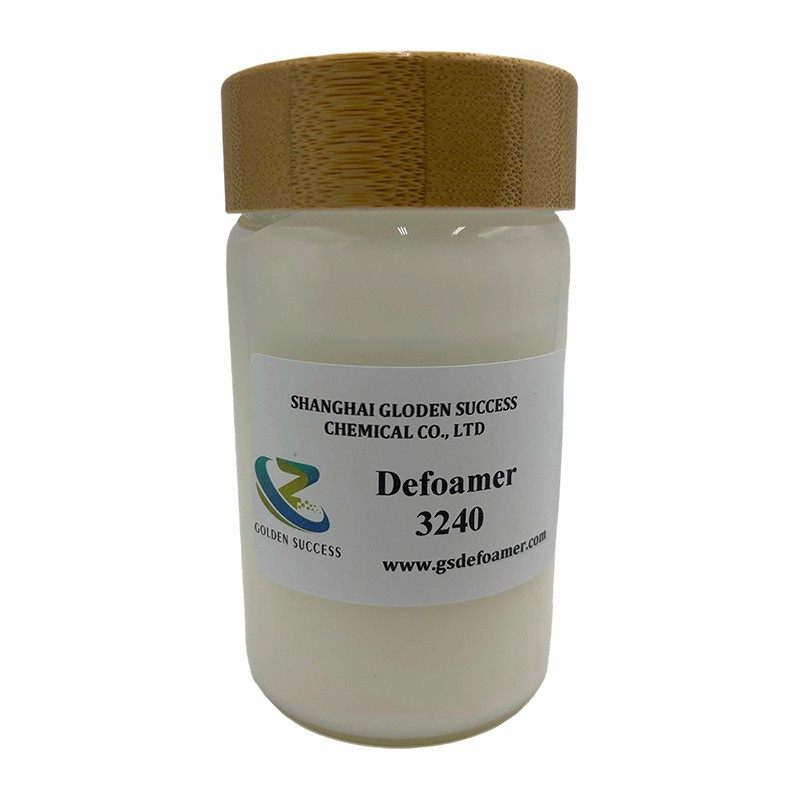
And then there's our DEFOAMER 3240, a powder defoamer. It's easy to handle and can be evenly distributed in the desulfurization slurry. It provides long - lasting anti - foam performance.
Benefits of Using Our Defoamers
Using our defoamers for desulfurization comes with a whole bunch of benefits. First of all, you'll see an improvement in the efficiency of your desulfurization process. With less foam, there's better gas - liquid contact, which means more sulfur compounds can be removed.
You'll also save on costs. By preventing foam overflow, you'll reduce the loss of absorbent. And since our defoamers are highly effective, you only need to use a small amount, which keeps the cost of the additive down.
In addition, our defoamers can extend the lifespan of your equipment. By preventing cavitation in pumps and reducing wear and tear on other parts of the system, you'll have to spend less on maintenance and replacements.
Contact Us for Your Defoamer Needs
If you're in the desulfurization industry and struggling with foam issues, we're here to help. Our team of experts can recommend the best defoamer for your specific system. We understand that every desulfurization process is different, and we'll work with you to find the most suitable solution.
Whether you need a small amount for a pilot test or a large - scale supply for your production facility, we can meet your requirements. So, don't let foam slow down your desulfurization process. Contact us today to start a discussion about your defoamer needs and take your desulfurization efficiency to the next level.
References
- "Handbook of Industrial Surfactants" by Michael Ash and Irene Ash.
- "Foam: Theory, Measurement, and Applications" by Robert J. Akers.