

Hey there! As a supplier of defoamers for pulp, I've seen firsthand the crucial role these little guys play in the pulp washing process. So, let's dive right in and chat about what exactly that role is.
First off, let's understand the pulp washing process. It's a super important step in papermaking. During the pulping process, a whole bunch of stuff gets mixed in with the pulp, like lignin, hemicellulose, and various chemicals. The goal of pulp washing is to separate these unwanted substances from the pulp fibers and get a clean pulp that's ready for the next stages of papermaking. But here's the catch - all that agitation and mixing during the washing process creates a ton of foam. And that foam can cause some serious headaches.
So, what's the big deal with foam in the pulp washing process? Well, for starters, excessive foam can reduce the efficiency of the washing equipment. Foam takes up space in the washing tanks and pipes, which means there's less room for the actual pulp and washing water. This can lead to poor contact between the pulp and the washing solution, resulting in incomplete removal of impurities. In other words, the pulp might not get as clean as it should.
Foam can also cause problems with the flow of the pulp and washing water. It can block the screens and filters in the washing equipment, leading to clogging and reduced throughput. This not only slows down the production process but can also cause damage to the equipment over time. And let's not forget about the mess! Foam can overflow from the tanks and onto the factory floor, creating a safety hazard and making a real mess that needs to be cleaned up.
That's where defoamers for pulp come in. These are special chemicals designed to break down and prevent the formation of foam. They work by reducing the surface tension of the liquid, which makes it easier for the foam bubbles to burst. When you add a defoamer to the pulp washing process, it quickly spreads throughout the liquid and starts doing its thing.

One of the key benefits of using a defoamer is that it improves the efficiency of the pulp washing process. By eliminating foam, there's more space in the equipment for the pulp and washing water to interact. This allows for better contact between the pulp and the washing solution, which means more impurities can be removed. As a result, the pulp comes out cleaner and of higher quality.
Defoamers also help to maintain a smooth flow of the pulp and washing water through the equipment. With less foam to block the screens and filters, there's less chance of clogging, and the equipment can operate at its optimal capacity. This not only speeds up the production process but also reduces the risk of equipment damage and downtime.
Another advantage of using a defoamer is that it reduces the amount of waste and environmental impact. When the pulp washing process is more efficient, less water and chemicals are needed to achieve the same level of cleaning. This not only saves resources but also reduces the amount of wastewater that needs to be treated.
Now, let's talk about some of the defoamers we offer. We have a range of high - quality defoamers specifically designed for the pulp washing process. One of our popular products is the DEFOAMER JM340. This defoamer is highly effective at breaking down foam and preventing its re - formation. It's compatible with a wide range of pulp types and washing solutions, making it a versatile choice for many pulp mills.
The DEFOAMER 720B is another great option. It's known for its fast - acting properties, quickly eliminating foam even in high - foam situations. This defoamer also has good stability, which means it can maintain its effectiveness over a long period of time.
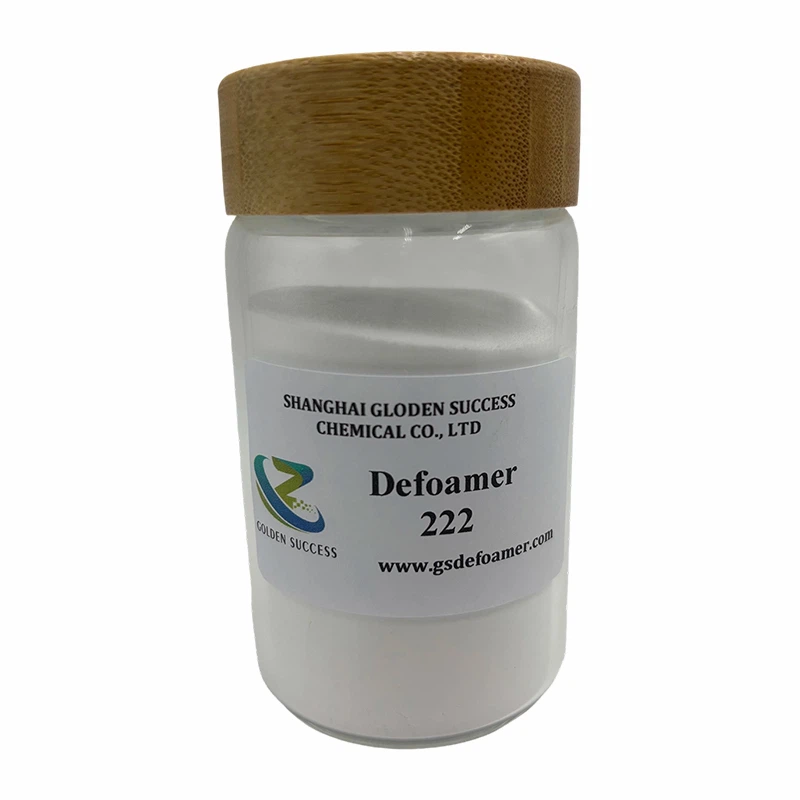
And then there's the DEFOAMER 222. This defoamer is specially formulated to work well in alkaline environments, which are common in many pulp washing processes. It provides excellent foam control and helps to improve the overall efficiency of the washing operation.
When choosing a defoamer for your pulp washing process, there are a few things to consider. First, you need to think about the type of pulp you're using and the specific conditions of your washing process. Different defoamers work better in different situations, so it's important to choose one that's compatible with your pulp and the chemicals you're using.
You also need to consider the dosage of the defoamer. Using too little defoamer won't be effective at controlling the foam, while using too much can be wasteful and may even have a negative impact on the pulp quality. It's a good idea to work with a supplier who can provide you with guidance on the right dosage for your specific needs.
In addition to foam control, some defoamers can also offer other benefits. For example, some defoamers can help to improve the drainage properties of the pulp, which can further enhance the efficiency of the washing process. Others may have anti - microbial properties, which can help to prevent the growth of bacteria and fungi in the pulp and washing equipment.
So, there you have it - the role of a defoamer for pulp in the pulp washing process is pretty significant. It helps to improve the efficiency of the washing process, maintain the flow of the pulp and washing water, and reduce the amount of waste and environmental impact. If you're looking for a reliable defoamer for your pulp mill, we're here to help. We have a range of high - quality products that can meet your specific needs.
If you're interested in learning more about our defoamers or would like to discuss your pulp washing process and how we can help, don't hesitate to reach out. We're always happy to have a chat and see how we can work together to improve your operations. Whether you're dealing with excessive foam or just looking to optimize your pulp washing process, we've got the solutions you need.
References:
- "Handbook of Pulp and Paper Technology"
- "Foam Control in Industrial Processes"