

Can a Defoamer for Desulfurization be Used in Steel Plant Desulfurization?
As a supplier of defoamers for desulfurization, I often encounter inquiries from steel plant operators regarding the suitability of our products for their desulfurization processes. In this blog post, I will delve into the technical aspects and practical considerations to answer the question: Can a defoamer for desulfurization be used in steel plant desulfurization?
Understanding Desulfurization in Steel Plants
Desulfurization is a crucial process in steelmaking. Sulfur in steel can have detrimental effects on its mechanical properties, such as reducing ductility and increasing brittleness. Therefore, minimizing the sulfur content in steel is essential to meet the quality requirements of various steel products.
In steel plants, desulfurization is typically carried out in the molten steel phase or during the hot metal pretreatment stage. Common desulfurization agents include calcium carbide, magnesium, and lime. These agents react with sulfur in the molten metal to form sulfides, which can be removed as slag. However, during the desulfurization process, foam can be generated due to the gas evolution from the chemical reactions and the agitation of the molten metal. Excessive foam can cause several problems, such as reducing the efficiency of the desulfurization process, increasing the consumption of desulfurization agents, and even posing safety risks.

Role of Defoamers in Desulfurization
Defoamers are substances that are added to a system to reduce or eliminate foam. In the context of desulfurization, a defoamer can help to break down the foam bubbles, prevent their formation, and improve the overall efficiency of the desulfurization process.
A good defoamer for desulfurization should have several key properties. Firstly, it should be thermally stable, as the desulfurization process in steel plants often occurs at high temperatures. Secondly, it should be chemically compatible with the desulfurization agents and the molten metal to avoid any adverse reactions. Thirdly, it should have a fast defoaming speed and long - lasting defoaming effect to ensure continuous and efficient operation.
Suitability of Desulfurization Defoamers for Steel Plants
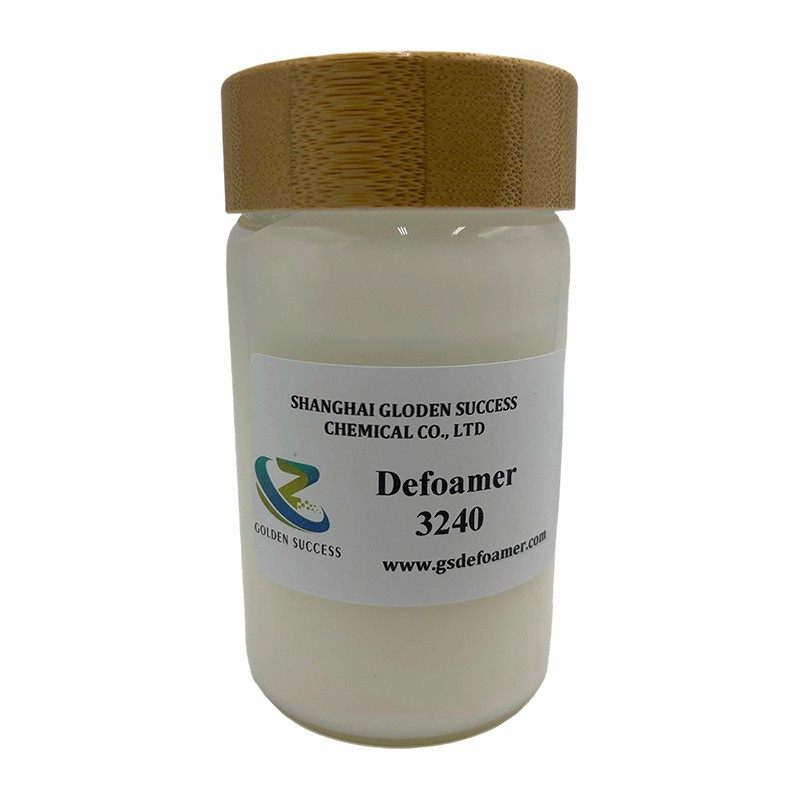
Our company offers a range of defoamers for desulfurization, such as DEFOAMER 0408, DEFOAMER 3240, and DEFOAMER 3208. These defoamers are designed to meet the specific requirements of desulfurization processes.
Thermal Stability: The desulfurization process in steel plants can reach temperatures of over 1000°C. Our defoamers are formulated with high - temperature - resistant materials that can maintain their defoaming performance even at extreme temperatures. For example, DEFOAMER 3240 contains special silicone - based compounds that have excellent thermal stability, ensuring that it can effectively break down foam in the high - temperature environment of steel desulfurization.
Chemical Compatibility: Compatibility with desulfurization agents and molten metal is crucial. Our defoamers are carefully tested to ensure that they do not react with calcium carbide, magnesium, or lime, the common desulfurization agents in steel plants. Moreover, they do not introduce any harmful impurities into the molten metal, which could affect the quality of the final steel product.
Defoaming Performance: Our defoamers have a fast defoaming speed and long - lasting defoaming effect. When added to the desulfurization system, they can quickly penetrate the foam bubbles and break them down. For instance, DEFOAMER 0408 has a unique molecular structure that allows it to rapidly spread on the surface of the foam, reducing the surface tension and causing the bubbles to collapse. This fast - acting property helps to maintain a low - foam environment during the desulfurization process.
Case Studies
We have had the opportunity to work with several steel plants to test the effectiveness of our desulfurization defoamers. In one case, a medium - sized steel plant was experiencing excessive foam during the hot metal pretreatment desulfurization process. The foam was reducing the efficiency of the desulfurization reaction and increasing the consumption of desulfurization agents.
We recommended the use of DEFOAMER 3208. After adding the defoamer to the desulfurization system, the foam was significantly reduced within a short period. The desulfurization efficiency increased by approximately 15%, and the consumption of desulfurization agents decreased by about 10%. This not only improved the quality of the steel product but also reduced the production cost for the steel plant.
Considerations for Using Defoamers in Steel Plant Desulfurization
While our desulfurization defoamers are suitable for steel plant desulfurization, there are still some considerations that steel plant operators should keep in mind.
Dosage: The appropriate dosage of the defoamer depends on several factors, such as the type of desulfurization process, the amount of foam generated, and the temperature of the system. It is recommended to conduct small - scale tests first to determine the optimal dosage for a specific steel plant.
Mixing: Proper mixing of the defoamer with the desulfurization system is essential to ensure its uniform distribution and effective defoaming. The defoamer should be added at the right location and time during the desulfurization process.
Safety: Although our defoamers are designed to be safe for use in steel desulfurization, operators should still follow the safety guidelines provided. This includes wearing appropriate personal protective equipment when handling the defoamer.
Conclusion
In conclusion, our desulfurization defoamers, such as DEFOAMER 0408, DEFOAMER 3240, and DEFOAMER 3208, are suitable for use in steel plant desulfurization. They offer excellent thermal stability, chemical compatibility, and defoaming performance, which can help steel plants improve the efficiency of their desulfurization processes, reduce production costs, and enhance the quality of their steel products.
If you are a steel plant operator looking for an effective solution to control foam during desulfurization, we invite you to contact us for more information and to discuss your specific requirements. Our team of experts is ready to provide you with professional advice and support to ensure the success of your desulfurization process.
References
- Smith, J. (2018). Desulfurization in Steelmaking: Principles and Practices. Steel Industry Journal, 25(3), 45 - 52.
- Johnson, A. (2019). The Role of Defoamers in Industrial Processes. Chemical Engineering Review, 32(2), 67 - 74.
- Brown, C. (2020). High - Temperature Defoamers for Metallurgical Applications. Metallurgy Today, 40(4), 89 - 96.