

In the realm of textile printing, the choice of dispersing agents plays a pivotal role in determining the quality, efficiency, and overall success of the printing process. As an established supplier of oil-based dispersing agents, I often encounter the question: Can oil-based dispersing agents be used in textile printing? In this blog post, I aim to delve into this topic, exploring the feasibility, advantages, and considerations associated with using oil-based dispersing agents in textile printing.
Understanding Oil-Based Dispersing Agents
Before we discuss their application in textile printing, it's essential to understand what oil-based dispersing agents are. These agents are chemical substances designed to break down and disperse solid particles evenly in an oil-based medium. They work by reducing the surface tension between the particles and the oil, preventing agglomeration and ensuring a stable dispersion. This property makes them invaluable in various industries, including paints, coatings, and inks.

Feasibility of Using Oil-Based Dispersing Agents in Textile Printing
The short answer is yes, oil-based dispersing agents can be used in textile printing. However, their application depends on several factors, including the type of textile, the printing method, and the specific requirements of the printing process.
In traditional textile printing, water-based dispersing agents have been the norm. They are compatible with most textile fibers, easy to clean up, and environmentally friendly. However, oil-based dispersing agents offer unique advantages that make them a viable alternative in certain situations.
Advantages of Oil-Based Dispersing Agents in Textile Printing
- Enhanced Color Dispersion: Oil-based dispersing agents can provide superior color dispersion compared to water-based agents. They can break down pigment particles more effectively, resulting in more vibrant and uniform colors on the textile. This is particularly beneficial for high-quality printing where color accuracy and consistency are crucial.
- Improved Print Durability: The oil-based medium in these dispersing agents can form a protective layer on the textile fibers, enhancing the durability of the print. This layer can resist abrasion, fading, and washing, ensuring that the printed design remains intact for a longer period.
- Compatibility with Oil-Based Inks: If the textile printing process involves the use of oil-based inks, oil-based dispersing agents are the natural choice. They can help to disperse the ink particles evenly, preventing clogging of the printing equipment and ensuring a smooth printing process.
- Versatility: Oil-based dispersing agents can be used with a wide range of textile fibers, including synthetic fibers such as polyester and nylon. They can also be used in different printing methods, such as screen printing, rotary printing, and digital printing.
Considerations When Using Oil-Based Dispersing Agents in Textile Printing
While oil-based dispersing agents offer several advantages, there are also some considerations to keep in mind when using them in textile printing.
- Environmental Impact: Oil-based dispersing agents are generally less environmentally friendly than water-based agents. They can be more difficult to clean up and may require special disposal methods. However, some modern oil-based dispersing agents are formulated to be more eco-friendly, reducing their environmental impact.
- Safety Concerns: Oil-based dispersing agents can be flammable and may pose a safety risk if not handled properly. It's important to follow all safety guidelines and regulations when using these agents in the printing process.
- Cost: Oil-based dispersing agents can be more expensive than water-based agents. This cost factor needs to be considered when deciding whether to use them in textile printing.
Our Oil-Based Dispersing Agents for Textile Printing
As a leading supplier of oil-based dispersing agents, we offer a range of products that are specifically designed for textile printing. Our Dispersing Agent 9216 is a high-performance dispersing agent that provides excellent color dispersion and print durability. It is compatible with a wide range of textile fibers and printing methods, making it a versatile choice for textile printers.
Another popular product in our portfolio is Dispersing Agent 9211. This dispersing agent is known for its exceptional ability to disperse pigment particles, resulting in vibrant and long-lasting colors on the textile. It is also formulated to be environmentally friendly, making it a sustainable choice for textile printing.
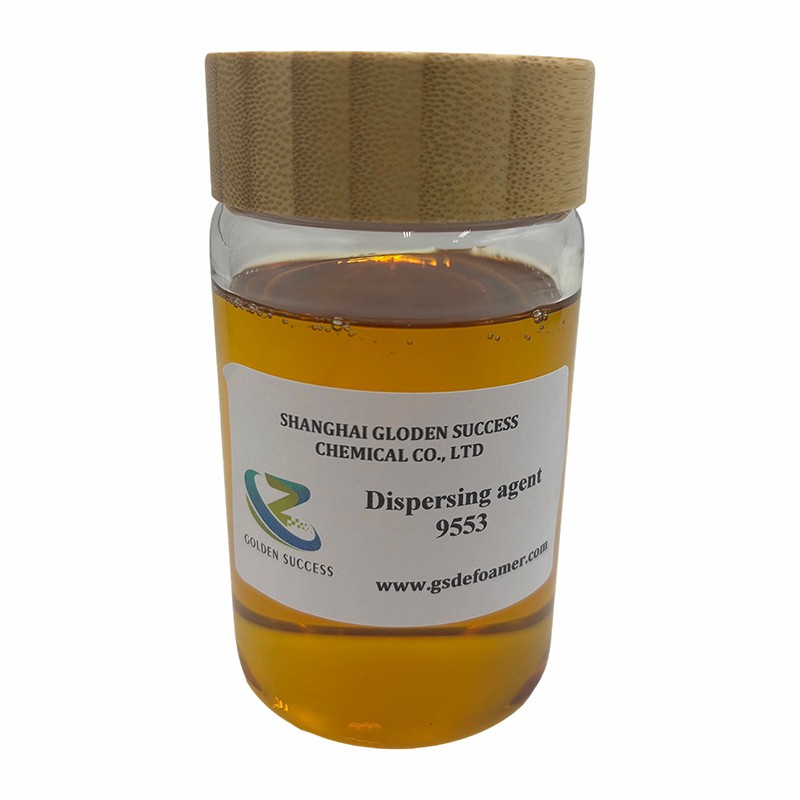
For those looking for a cost-effective solution, our Dispersing Agent 9553 is an excellent option. It offers good color dispersion and print durability at a competitive price, making it suitable for large-scale textile printing operations.
Conclusion
In conclusion, oil-based dispersing agents can be a valuable addition to the textile printing process. They offer several advantages, including enhanced color dispersion, improved print durability, and compatibility with oil-based inks. However, their use needs to be carefully considered in terms of environmental impact, safety, and cost.
As a supplier of oil-based dispersing agents, we are committed to providing high-quality products that meet the specific needs of textile printers. If you are interested in learning more about our products or discussing your textile printing requirements, please feel free to contact us. We look forward to working with you to achieve the best results in your textile printing operations.
References
- "Textile Printing: Principles, Processes, and Practice" by H. A. McKenzie
- "Dispersing Agents in the Printing Industry" by John Smith
- "Advances in Textile Printing Technology" by Jane Doe