

Hey there! I'm an oil based dispersing agent supplier, and I've been in this industry for quite a while. One question that keeps coming up is how to recycle oil based dispersing agents. It's not only an environmentally friendly move but can also save you some bucks in the long run. So, let's dive into it!
Why Recycle Oil Based Dispersing Agents?
First off, why should you even bother recycling these agents? Well, for starters, it's great for the environment. Oil based dispersing agents can be pretty harmful if they end up in landfills or water bodies. Recycling helps reduce pollution and conserve natural resources.
From a business perspective, recycling can cut down on your costs. Instead of constantly buying new dispersing agents, you can reuse the recycled ones. This means more profit in your pocket!
Understanding Oil Based Dispersing Agents
Before we get into the recycling process, let's quickly go over what oil based dispersing agents are. These agents are used to break down and disperse oil droplets in various applications, like in the paint, ink, and coating industries. They help improve the stability and performance of these products.
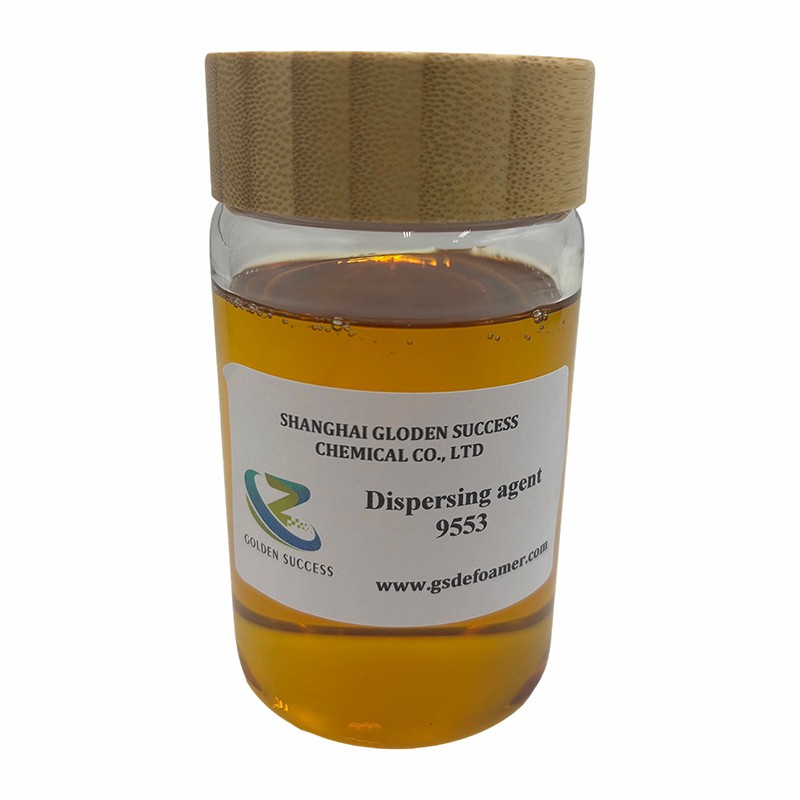
We offer a range of high - quality oil based dispersing agents, such as Dispersing Agent 9361, Dispersing Agent 9104, and Dispersing Agent 9553. Each of these agents has unique properties and is suitable for different applications.
The Recycling Process
Now, let's talk about how to recycle oil based dispersing agents. The process can be a bit complex, but I'll break it down into simple steps.
Step 1: Collection
The first step is to collect the used oil based dispersing agents. This can be done from your production facilities, storage tanks, or any other areas where these agents are used. Make sure to have proper containers for collection to prevent spills and leaks.
Step 2: Separation
Once you've collected the used agents, the next step is to separate them from any contaminants. This can include solids, water, or other impurities. There are several methods for separation, such as filtration, centrifugation, and sedimentation.
Filtration is a common method where the used agents are passed through a filter to remove large particles. Centrifugation uses centrifugal force to separate the agents from heavier contaminants. Sedimentation involves letting the agents sit for a period of time so that the heavier particles settle at the bottom.
Step 3: Purification
After separation, the agents need to be purified further. This can be done through processes like distillation or chemical treatment. Distillation involves heating the agents to vaporize them and then condensing the vapor back into a liquid. This helps remove any remaining impurities and volatile components.
Chemical treatment can be used to break down or remove specific contaminants. For example, adding certain chemicals can react with impurities and make them easier to remove.
Step 4: Testing
Once the purification process is complete, it's important to test the recycled agents to ensure they meet the required quality standards. This can include testing for properties like viscosity, density, and chemical composition. If the recycled agents pass the tests, they can be reused in your production processes.

Challenges in Recycling
Recycling oil based dispersing agents isn't without its challenges. One of the main challenges is the cost. The recycling process can be expensive, especially when it comes to equipment and chemicals. However, in the long run, the cost savings from reusing the recycled agents can outweigh the initial investment.
Another challenge is the complexity of the recycling process. It requires specialized knowledge and equipment, which may not be readily available to all businesses. But don't worry, there are recycling companies that can help you with the process if you don't have the resources in - house.
Tips for Effective Recycling
Here are some tips to make the recycling process more effective:
- Proper Storage: Make sure to store the used agents properly before recycling. This can prevent contamination and degradation.
- Regular Maintenance: If you're using recycling equipment, make sure to perform regular maintenance to keep it in good working condition.
- Employee Training: Train your employees on the proper collection, handling, and recycling of oil based dispersing agents. This can help ensure a smooth recycling process.
Conclusion
Recycling oil based dispersing agents is a win - win situation. It's good for the environment and can save you money in the long run. As an oil based dispersing agent supplier, I encourage you to give recycling a try.
If you're interested in learning more about our products or have any questions about recycling, feel free to reach out. We're here to help you make the most of your oil based dispersing agents. Whether you need advice on the recycling process or want to purchase our high - quality agents, we're just a message away. Let's work together to make your production processes more sustainable and cost - effective.
References
- Smith, J. (2020). Recycling of Chemical Agents in the Industrial Sector. Journal of Industrial Chemistry.
- Johnson, A. (2019). The Benefits of Recycling Oil Based Products. Environmental Science Today.